Teeth Whitening: What Actually Works and What to Avoid
Let me start with something slightly embarrassing: a few years ago, I tried one of those sketchy “instant whitening pens” I saw in an airport store. And yes, I fell for it. It promised results in under two minutes. What I actually got was a weird chalky film and the suspicion that I’d been scammed. Does that sound familiar?
Over the years—after talking to dentists, reading clinical studies, and trying far too many whitening products—I’ve realized teeth whitening is one of those topics where myths spread faster than actual science. And oddly enough, even friends in the dental field disagree about what works best. So this article is my attempt to bring clarity, honesty, and a bit of personality to the conversation. If you want a brighter smile without damaging your enamel, stick around.
The Real Science Behind Teeth Whitening
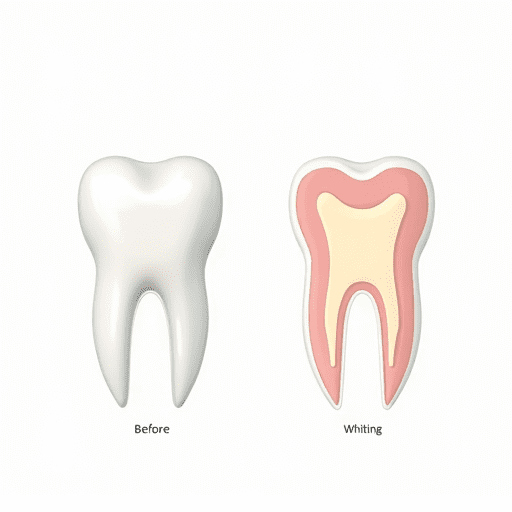
Let’s clear up one thing before diving deep: teeth whitening isn’t magic. It’s chemistry. According to Wikipedia’s overview on tooth whitening, the main agents responsible for bleaching teeth are hydrogen peroxide and carbamide peroxide. These molecules break down dark pigments lodged in enamel and dentin. Simple enough, right?
But the nuance lies in concentration, contact time, enamel health, lifestyle habits, and even mouth shape. Yes, mouth shape—some people naturally hold whitening trays better than others.
And here’s something your average drugstore product doesn’t mention: whitening only removes external stains (extrinsic) or some internal discoloration (intrinsic). If the color comes from genetics or medications like tetracycline, the game changes completely.
Why Some People’s Teeth Don’t Whiten Easily
I once met a patient during a dental clinic visit in the U.S. who swore whitening didn’t work for her—no matter what she tried. After a quick exam, the dentist explained she had naturally darker dentin, a genetic trait. Whitening agents mostly act on enamel, so her results would always be limited.
Moral of the story? Whitening has limits. And that’s not a bad thing.
Professional Whitening Treatments: Are They Worth It?
If you’ve ever seen those dramatic before-and-after photos at dental offices—especially places like Atlanta Dentistry—you might wonder whether professional whitening is worth the price tag. In many cases, it absolutely is.
Professional options come with higher peroxide concentrations and custom-fitted trays. And the real win? Oversight. A trained cosmetic dentist knows how long to apply the gel, how to prevent sensitivity, and how to detect enamel erosion before it becomes a problem.
Zoom Whitening and Laser Whitening
The trendiest treatments right now are light-activated systems like Zoom. I remember watching a live demonstration at a dental expo where the whitening intensity increased dramatically after just one cycle. But here’s a quirky fact: the research community still debates whether the “light” itself does anything or if the peroxide is simply more effective due to heat.
Still, the results speak for themselves—some patients see 5–8 shade improvements in an hour.
Custom Trays vs. One-Hour Whitening
If you ask any dentist off the record (which I have… more than once), many still prefer custom trays for long-term whitening. Why?
- They distribute gel evenly.
- They reduce gum irritation.
- They allow gradual whitening over days, not minutes.
- They’re cheaper than in-office whitening sessions.
But one-hour systems give that immediate “wow” factor. It depends on your personality—are you patient, or do you want results fast?
At-Home Whitening Products: Sorting the Good From the Garbage
Here’s where things get fun (and slightly chaotic). The at-home whitening market feels like the Wild West, doesn’t it? You’ve got strips, pens, LED kits, powders, natural pastes, serums, foams, oils, and the occasional bizarre TikTok trend involving strawberries or turmeric. Let’s break down the stuff that actually works and the stuff that should never go near your enamel.
Whitening Strips
Whitening strips remain the reigning champion of at-home solutions. They’re easy, predictable, and clinically proven. They work because they use peroxide—just like dentists—only at a lower concentration. My only complaint? They slip. And if you’ve ever tried talking with whitening strips on… You know the struggle.
LED Whitening Kits
Here’s a hot take: most LED kits are more about marketing than science. The LED lights rarely penetrate enough to accelerate whitening. A dentist once explained it to me like this: “Unless the wavelength matches the chemical reaction, it’s basically a fancy flashlight.”
But the mouthpieces? Those can help distribute gel more evenly, so there’s at least some value.
Charcoal Toothpaste
This one’s controversial. Yes, charcoal can mildly whiten by abrasion. But abrasion isn’t bleaching. Too much scrubbing wears enamel down. And once enamel thins? Your teeth look more yellow, not less.
I tried charcoal toothpaste for three weeks once. My gums hated me.
Whitening Pens
Great for touch-ups, terrible as a main whitening method. They’re like perfume samples—nice to have, but hardly the real deal.
Baking Soda and Lemon Juice
I shouldn’t even have to say this, but here we are: please don’t put acidic fruit juice on your teeth. If enamel were clothing, lemon juice would be bleach plus scissors.
Baking soda on its own? Sometimes okay. But only if your dentist approves.
Natural Whitening Methods: Helpful or Hype?
I love natural remedies as much as anyone, but whitening is one area where “natural” doesn’t always equal “safe.” Still, a few options do help—just not dramatically.
Oil Pulling
An ancient oral hygiene practice that involves swishing oil in your mouth. I tried it for 14 days (coconut oil, 10 minutes daily). Did my teeth whiten? A little, maybe. Did my teeth feel cleaner? Absolutely.
Oil pulling can remove plaque, which sometimes brightens teeth indirectly.
Strawberry Mash
This hack went viral after a celebrity mentioned it. The malic acid in strawberries can lighten superficial stains. But I’d treat this like a dessert—not a dental routine.
Hydrogen Peroxide Rinses
A diluted peroxide rinse (around 1.5–3%) can help with mild whitening. But the stronger stuff? Leave that to professionals.
Bad Habits That Keep Your Teeth From Whitening
Even the best whitening routine can be ruined by daily habits. I’ve learned some of these the hard way.
Drinking Coffee and Red Wine
Look, I’m not telling you to give up your morning coffee. I wouldn’t do that to myself. But if you sip it slowly throughout the day, staining gets worse. Your enamel is like a sponge—soaking up pigments.
Quick tip: Drink staining beverages through a straw. Yes, even wine, if you’re committed enough.
Smoking
Nicotine stains stick like glue. If you smoke, whitening may not last long. Honestly, this one’s a tough battle.
Poor Brushing Technique
You’d be surprised how many adults brush incorrectly. Whitening gels can’t overcome plaque buildup. Clean enamel reflects light better, which makes teeth appear whiter—even without bleach.
A Real Case Study: Whitening Gone Wrong
A woman I spoke with a few months back tried a high-strength online whitening kit. No supervision, no instructions beyond “apply daily.” Within two weeks, she developed severe gum burns and cold sensitivity that lasted months.
What went wrong?
She used 35% peroxide without protective barriers—something only dentists should apply.
Whitening isn’t dangerous when done right. But the difference between safe and damaging can be a single percentage point of peroxide.
How to Maintain a White Smile Once You Get It
Whitening is only step one. The real challenge? Keeping that brightness.
Regular Touch-Ups
Most dentists recommend touch-ups every 3–6 months. I personally stick to every four months with a mild gel—nothing too strong.
A Whitening Toothpaste That Actually Works
Most whitening toothpastes don’t bleach—they polish. And that’s useful! I once attended a dental seminar where a hygienist compared toothpaste abrasivity levels (the RDA value). Toothpastes with an RDA above 250 can damage enamel over time, so you want something in the safe zone—ideally below 120.
Professional Cleanings
A quick cleaning at your dental office removes surface stains, plaque, tartar, and the stuff whitening gels struggle with.
What to Avoid Completely
- Lemon and baking soda pastes
- Strong peroxide bought online without supervision
- DIY bleaching molds
- Toothpastes without ADA approval
- Charcoal powders with high abrasivity
Think of your enamel like a delicate glass surface—once scratched or eroded, it never grows back.
Final Thoughts: What Actually Works?
If I had to summarize years of trial, error, awkward whitening selfies, and dental conversations into one thought, it’s this: whitening works best when science leads, not trends. Professional whitening is still the gold standard, whitening strips are a solid middle ground, and natural methods can help but won’t perform miracles.
And honestly? A bright smile is great, but a healthy smile is better. Prioritize the latter, and the former often follows.