The Real Reason For Cavities Form—and How to Stop Them Before They Start
Let me be blunt for The Real Reason For Cavities Form. Like they’re some mysterious curse passed down from your family tree or tied to how much candy you stole as a kid. But after seeing dozens of patients panic over tiny brown spots on their molars, I’ve realized something surprising—most folks have absolutely no idea what’s *really* going on in their mouths.
And yes, I’ve been that person too. Years ago, my dentist told me I had an early cavity forming, and the first thing I said was, “But I brush every day.” Does that sound familiar?
Before we dive in, here’s a quick classic source worth checking out if you enjoy reading the nitty-gritty: Dental caries on Wikipedia.
Why Cavities Actually Form (Hint: It’s Not Just Sugar)
Let’s start with the obvious villain—sugar. But the real story is way more interesting. Cavities technically form because of acid-producing bacteria, mainly Streptococcus mutans. They digest carbs and release acids that erode enamel. That’s the short explanation most people have heard.
But the deeper truth? It’s a perfect storm of habits, biological quirks, and environmental factors. Think of your teeth like a subtle ecosystem. Even slight shifts—like a dry mouth after a three-hour Zoom call—can change everything.
And here’s a niche detail I’ve only heard seasoned dentists mention: the pH in your mouth can dip below 5.5 for almost 30 minutes after a sugary snack, which is long enough for enamel minerals to start dissolving.
Mini Case Study: The Soda Sipper
A patient (I’ll call him Mark) came in with four new cavities even though he brushed twice a day. The issue? He sipped diet soda all day. Diet soda doesn’t contain sugar, but it’s still acidic, keeping his mouth’s pH in the danger zone almost constantly. So his enamel never got a chance to repair itself.
Small habit, big damage.
The Forgotten Factor: Your Saliva Is a Superhero
Saliva doesn’t get enough credit. It’s basically the unsung bodyguard of your mouth. It washes away food debris, neutralizes acids, and delivers minerals that remineralize enamel.
But here’s the kicker—stress, medications, mouth breathing, and dehydration all reduce saliva flow. I remember once working late nights for a month straight and waking up with a mouth that felt like cardboard. Guess what? My hygienist later pointed out early demineralization spots.
Dry mouth isn’t just uncomfortable; it’s dangerous for your enamel.
Signs Your Saliva Isn’t Doing Its Job
- Your tongue sticks to the roof of your mouth
- You constantly crave water
- Morning breath hits like a truck
- Your lips crack more often
And yes, each one creates an environment where cavities flourish.
The Enamel Breakdown Story (Told in Reverse)
Let’s mix it up a bit by flipping the usual teaching style. Instead of walking forward through the stages of cavity formation, let’s walk backward—because that’s sometimes how dentists diagnose them anyway.
Stage 3: The Cavity You Can See
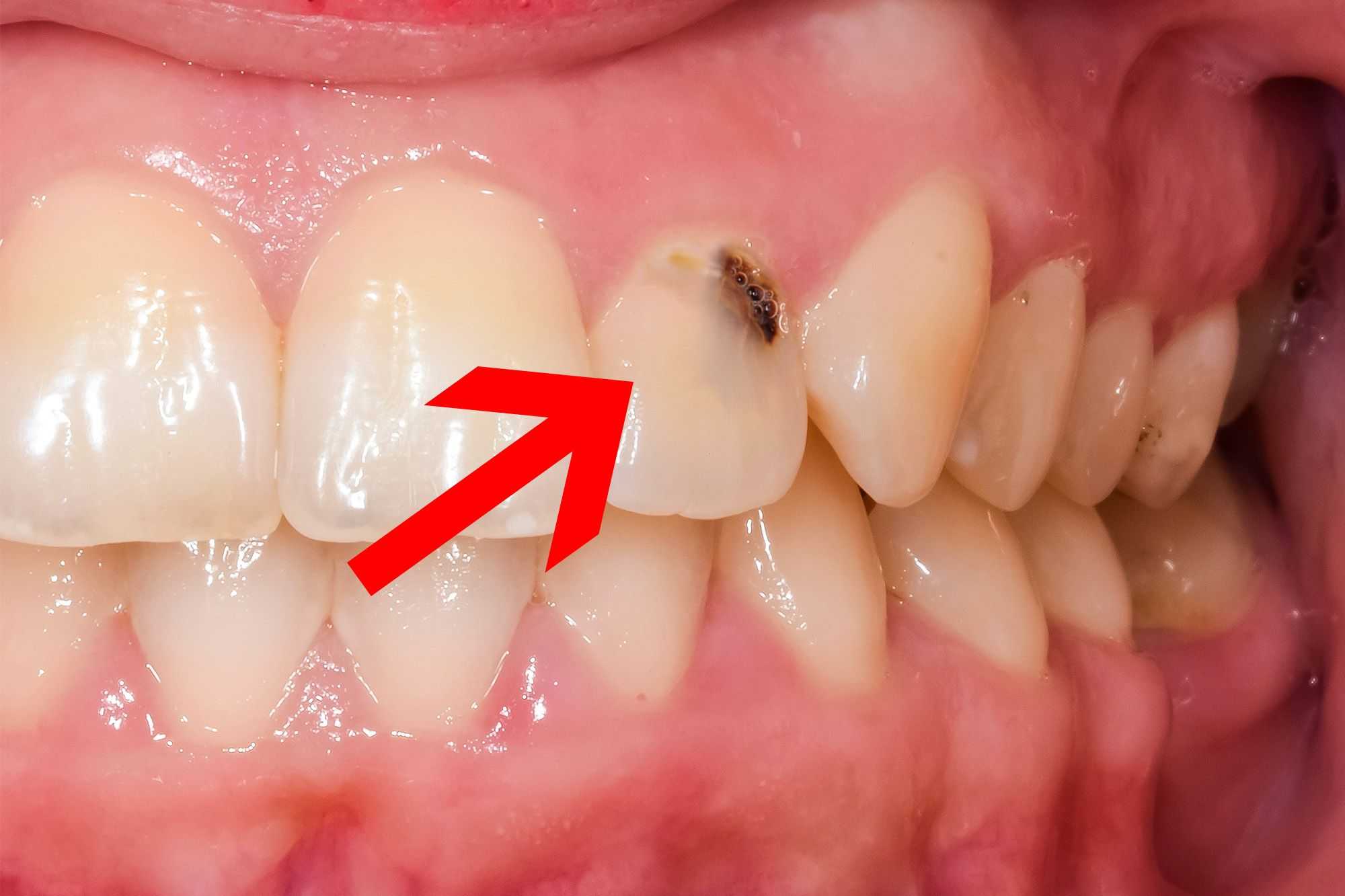
At this point, there’s a visible hole or brown spot. By the time you notice it in the mirror, bacteria have already partied their way into the enamel.
Stage 2: The Undersurface Collapse
Something most patients don’t know: enamel can look intact but be hollow underneath. A dentist once compared it to a bridge with eroding supports—you won’t notice the collapse until the top caves in.
Stage 1: Demineralization (The Invisible Beginning)
This is huge. At this stage, enamel is losing minerals, but it can still be repaired. No drilling needed. And yet, most people never feel a thing, so they assume everything’s fine.
But your dentist’s X-ray tells a very different story.
What Really Triggers Demineralization?
Let’s dig into the “why” behind demineralization, because once you understand this, preventing cavities becomes ridiculously easier.
1. The Frequency of Snacking
It’s not about how much sugar you consume—it’s about how often. If you graze all day, your mouth stays in acid mode. I’ve had patients who didn’t eat much sugar but chewed dried fruits or granola all day. Same problem.
2. Biofilm Buildup
Plaque is a living film. And it organizes itself like a tiny city. The thicker it gets, the harder it is for saliva to reach the enamel underneath. That’s why even “good brushers” get cavities if they rush through their routine.
3. Tooth Structure and Genetics
Some people naturally have deeper grooves in their molars. One dentist I shadowed during college used to say, “Some mouths are built like slip-n-slides, and others like mountain valleys.” Those valleys collect food easily, making them cavity hotspots.
4. Stress and Sleep
Grinding your teeth at night wears down enamel. Less enamel = easier cavity formation. I’ve seen more night guard prescriptions in the last three years than ever before, probably because people are more stressed than they admit.
Simple Ways to Stop Cavities Before They Even Begin
Let’s get practical now. None of these are revolutionary, but they work. And that’s the point.
1. Follow the 2–2–2 Rule
Brush twice a day for two minutes and floss at least twice a week (though daily is better). Honestly? I’ve seen patients with better gum health from flossing three times a week than people who “pretend” to floss daily.
2. Use Products With Hydroxyapatite or Fluoride
Hydroxyapatite has been gaining traction in the dental world because it strengthens enamel similarly to fluoride, but with a more biomimetic approach. Still, fluoride toothpaste remains the gold standard among most dentists.
3. Snack Less Often
Instead of snacking every hour, bunch your snacks with meals. This reduces acid exposure windows. It’s one of the easiest habits with the biggest payoff.
4. Chew Sugar-Free Gum
Look for xylitol gum. This stuff actually helps starve harmful bacteria, and it boosts saliva flow like crazy. After lunch, after coffee, after literally anything acidic—chew gum.
5. Sip Water Between Meals
Most people underestimate how powerful simple water is. It rinses acids and hydrates tissues. I’ve noticed cavity rates drop massively in people who drink water instead of juice or soda throughout the day.
6. Sealants for Hard-to-Clean Teeth
If you have those deep “mountain valley” grooves, sealants can block bacteria from settling in. Many adults assume sealants are only for kids, but that’s outdated thinking.
For more preventive care details, check out your local resources like Atlanta Dentistry—their preventive guides are surprisingly solid.
What Most People Misunderstand About “Early Cavities”
Here’s an imperfect little truth: dentists don’t always agree on what counts as a cavity and what doesn’t. Early enamel lesions are reversible. Some dentists wait and watch; others treat aggressively to prevent future problems.
I once had a dentist draw a chart on a sticky note showing how enamel healing works. It looked like a triangle with internal layers labeled like a geological map. A bit nerdy, sure—but it stuck with me.
Bottom line? Early cavities aren’t destiny. You can reverse them if you change your habits now.
Your Daily Cavity Prevention Checklist
Let’s keep it simple and actionable:
- Brush with fluoride or hydroxyapatite.
- Floss (honestly, even four times a week is a great start).
- Limit snacking windows.
- Drink more water (your enamel loves it).
- Chew xylitol gum.
- Get cleanings every six months.
- Handle dry mouth quickly.
Final Thoughts: Cavities Aren’t Random—They’re Predictable
And here’s the twist people rarely expect: cavities are one of the most preventable dental issues. Once you understand why they form, it’s like seeing the blueprint of your mouth. The patterns become obvious.
Next time you spot a little stain or feel a twinge of sensitivity, don’t panic. Instead, think of it as a friendly nudge from your enamel saying, “Hey, I need a little backup here.”
Small habits truly make a huge difference. And if you’re not sure whether you’re on the right track, schedule a quick preventive checkup. Dentists can identify problems long before they become a drill-worthy situation.
Because cavities don’t just appear—they form. And now, you know the real reason why.