Oral Health and Heart Disease
Understanding Periodontal Disease
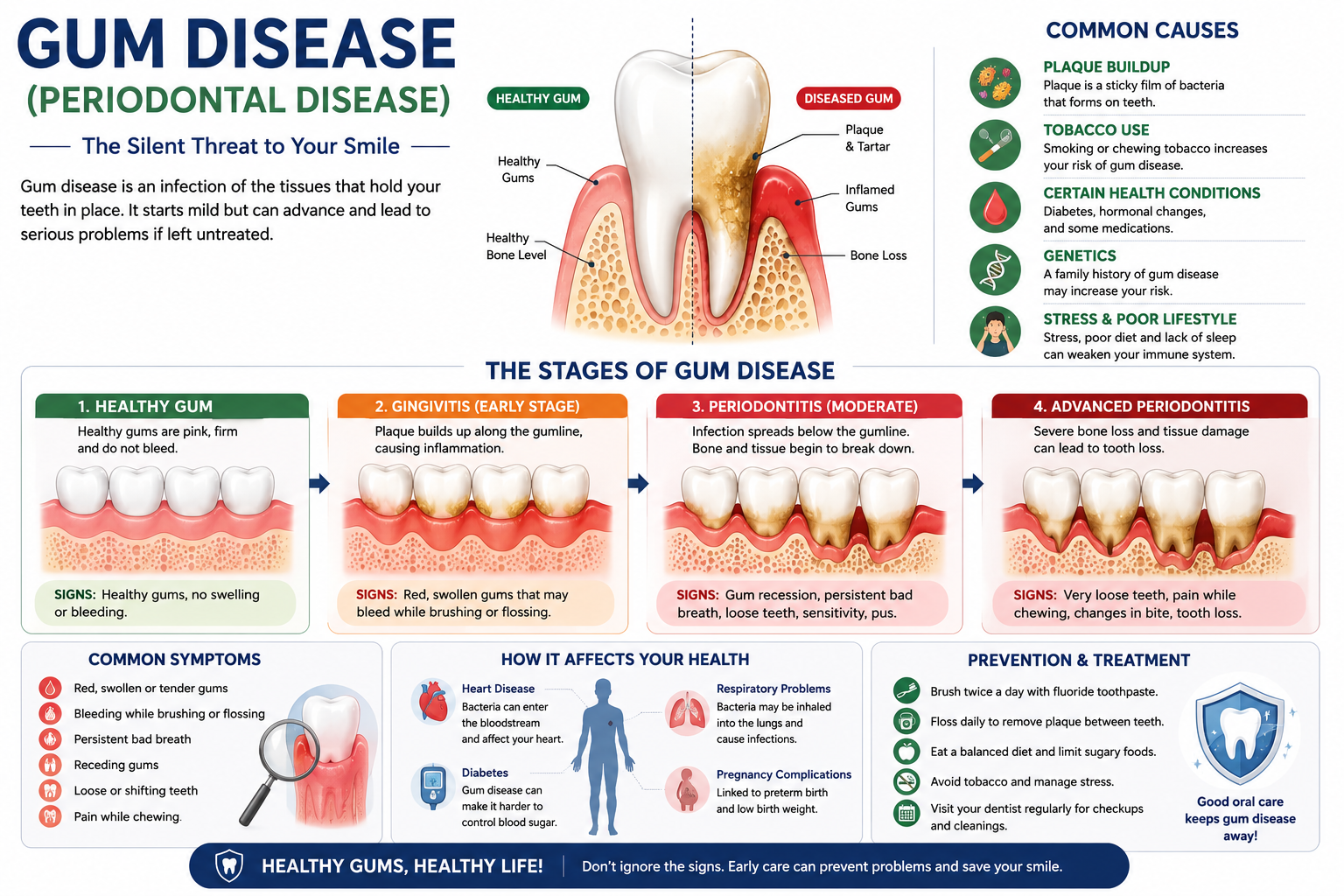
Periodontal disease begins as gingivitis—gums that are red, swollen, and bleed easily. Without care, it can evolve into periodontitis, where supporting structures around the teeth are destroyed by chronic inflammation. This creates pockets of infection, which can lead to loose teeth, bone loss, and more.
How Does Gum Disease Start?
It all begins with dental plaque—a sticky biofilm loaded with bacteria. When left on the teeth, it irritates gum tissue. The body’s immune response tries to fight the invaders, releasing inflammatory molecules that, over time, damage the gums and bone
Systemic Inflammation and Bacterial Spread
Two interconnected pathways link mouth infections to heart health:
- Inflammatory mediators: Chronic gum inflammation raises systemic markers like C‑reactive protein and interleukin‑6, which contribute to arterial inflammation, a precursor for heart disease
- Bacterial translocation: Oral bacteria can enter the bloodstream through inflamed gums, travel to the arterial lining, and become part of atherosclerotic plaques, promoting plaque formation inside arterial walls
Evidence Linking Oral Health and Heart Disease
Pioneering Studies
In the late 1980s, Mattila et al. found that individuals with a history of heart attacks had poorer dental health than matched controls. This sparked growing research into oral‑cardiovascular connections.
Imaging Clarity: Dental X‑rays and Carotid Plaques
Advanced research in 2010 used panoramic dental X‑rays to detect dental infections and correlate them directly with calcified atherosclerotic plaques in carotid arteries. Patients exhibiting more dental infection had a higher incidence of arterial plaque formation.
Microbial Culprits
Key periodontal pathogens—like Porphyromonas gingivalis, Aggregatibacter actinomycetemcomitans, and Treponema denticola—are found in inflamed gums and infected arterial walls, linking the oral and cardiovascular microbiomes
Mechanisms: How Gum Disease Raises Heart Risk
Activation of Atherosclerosis
Inflammation in arteries starts when bacterial toxins and immune cells damage the endothelial cells lining the arteries. This causes LDL cholesterol to accumulate, triggering plaque formation. Over time, these plaques can rupture, causing blood clots and leading to heart attacks or strokes.
Chronic Inflammatory State
Gum inflammation keeps the immune system in “overdrive.” Persistently elevated inflammatory markers can accelerate arterial aging and endothelial dysfunction, increasing vulnerability to cardiovascular events.
Clinical Connections and Risk Assessment
Shared Risk Factors
Periodontitis and heart disease share several predisposing factors:
- Smoking: Dampens immune response, increases gum and arterial damage.
- Diabetes: High blood sugar aggravates gum disease and damages blood vessels
- Age and genetics: Both diseases become more common with age, and certain genetic traits may increase individual vulnerability.
Blood Pressure: The Connection Is Complex
While it’s theorized that treating gum disease could lower blood pressure, clinical trials show mixed results. Some short‑term reduction is possible, but long‑term effects are inconclusive.
Prevention and Oral‑Cardiac Protection
Daily Oral Hygiene
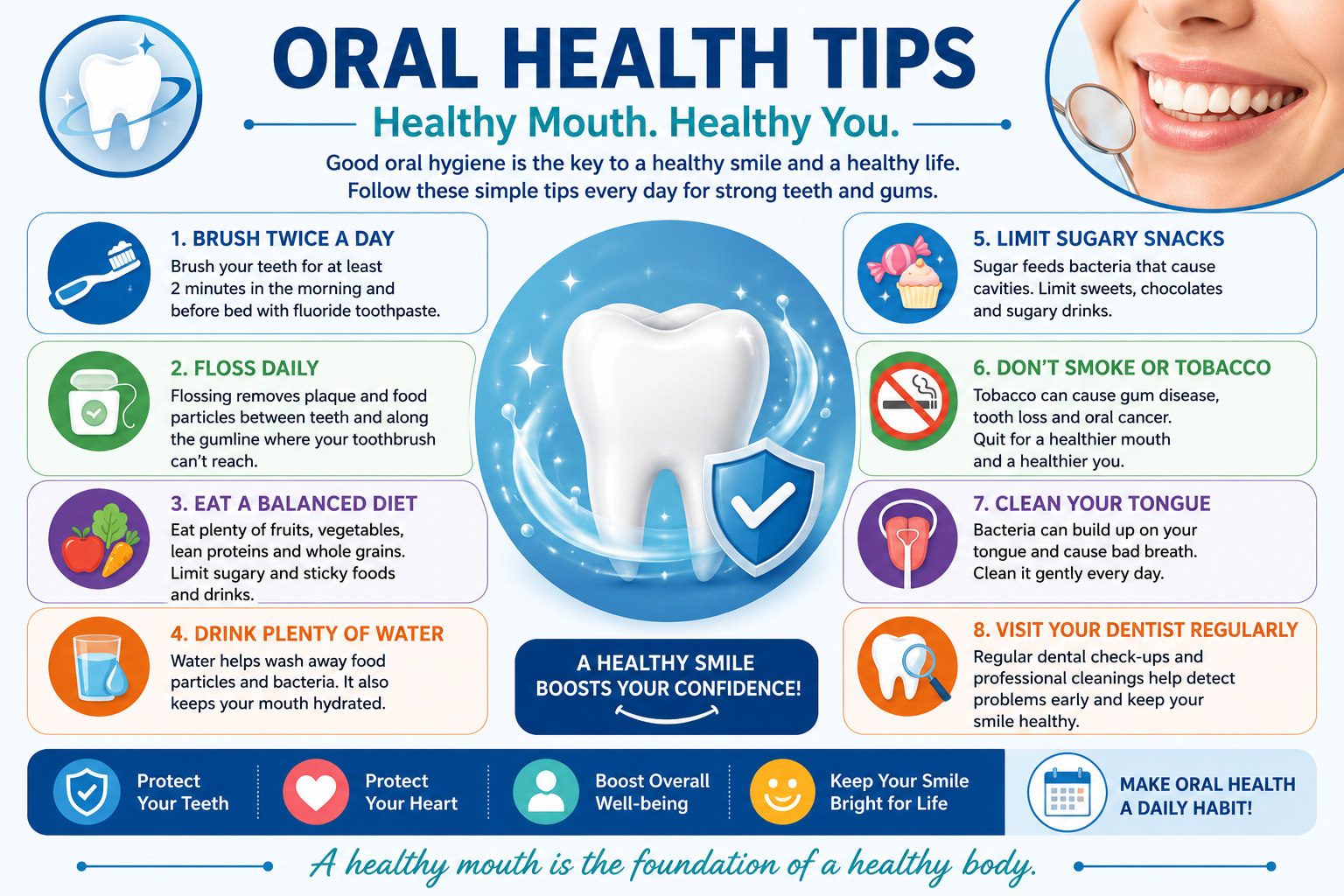
Brush twice daily, floss daily, and consider antiseptic mouthwash. These habits remove plaque before it causes gum inflammation. Regular dental cleanings help maintain hygiene and prevent progression.
Professional Dental Care
Regular dental check‑ups allow early detection of gum disease. Periodontal therapy targets deep plaque below the gum line to halt the spread of bacteria and inflammation.
Collaborative Medical Care
If you have cardiovascular disease or are at high risk, inform both your dentist and cardiologist. In select cases, antibiotic prophylaxis before invasive procedures may reduce the risk of infective endocarditis.
Healthy Lifestyle Choices
- Stop smoking – quitting reduces both gum and arterial inflammation.
- Control your diabetes – stable blood sugar levels support gum health.
- Eat anti‑inflammatory foods – a diet rich in vitamins C, D, E, and K supports periodontal tissues.
Key Takeaways
- Chronic gum inflammation is more than a local issue—it contributes to systemic inflammation and the development of arterial plaques.
- Oral bacteria can travel to arteries, embedding within plaques and worsening cardiovascular health.
- Good oral hygiene, professional dental care, and healthy lifestyle choices significantly reduce heart disease risk.
- Work with both your dentist and physician to manage your overall health.
Want to Learn More?
For deeper insight into periodontal disease and its mechanisms, see the Wikipedia entry on Periodontal Disease.
At Atlanta Dentistry, we’re dedicated to comprehensive care—protecting your smile and your heart. Schedule your next check‑up today to ensure optimal oral and systemic health.