Bad Breath Problems? Here’s What Dentists Want You to Know
Let’s be honest—bad breath problems sneak up on almost everyone at some point. And sometimes it happens at the worst possible moment. I still remember a patient who walked into my old dental office in Midtown—nervous, embarrassed, and whispering more than talking. She said, “Doc, I chew gum like it’s a personality trait… but nothing works anymore.” Does that sound familiar?
Bad breath—officially called halitosis—isn’t just a hygiene issue. Dentists look at it as a signpost pointing to bigger hidden problems. And honestly, the more cases you see, the more you realize people rarely understand what’s actually behind persistent odor.
So let’s break this down in a way that doesn’t feel like a stuffy lecture. I’ll share real experiences, weird little dental quirks, and even a couple of lessons I learned the hard way.
Why Bad Breath Problems Don’t Always Come From Your Mouth
Here’s a fun fact you don’t hear often: almost 90% of chronic bad breath originates from the mouth, and yet the remaining 10%—that “mystery” category—is where dentists sometimes find the strangest hidden causes.
But let’s start with the obvious.
Bacteria Love Warm, Sticky Places
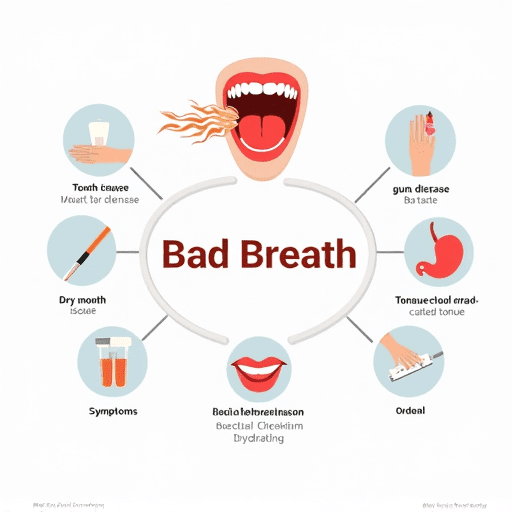
If your tongue could talk, it would probably sound exhausted. The surface of the tongue is like a carpet—lots of tiny grooves that trap bacteria and food debris. When these bacteria break down proteins, they produce volatile sulfur compounds (VSCs). Those VSCs are the real culprits behind that rotten-egg smell people hate.
I once told a patient: “Think of your tongue like a garden bed. If you don’t rake it once in a while, things grow you didn’t plant.” He laughed—then bought a tongue scraper the same day.
Still, there’s a twist. Some patients brush twice a day, scrape the tongue, floss—everything. And the odor still lingers. That’s when we start exploring the less common causes.
Dry Mouth: The Silent Amplifier
Bad breath problems often worsen when saliva slows down. Saliva is basically nature’s mouthwash—it breaks down acids, washes away food particles, and keeps bacteria under control. When you don’t have enough of it, odors concentrate fast.
But here’s the part many people overlook: dry mouth doesn’t only happen during sleep. It can also show up due to:
- Medications like antihistamines or antidepressants
- Heavy caffeine consumption
- Chronic dehydration
- Breathing through the mouth
- Smoking or vaping
During my residency, I had a mentor who would ask every new patient, “Do you wake up feeling like your tongue is Velcro?” If they said yes, we knew dry mouth was probably part of the puzzle.
When Bad Breath Problems Point to Something Bigger
Let’s shift gears for a second. Bad breath isn’t always about hygiene—and honestly, that surprises people. But dentists see patterns over time, and bad breath is sometimes the first symptom patients notice, even before pain or sensitivity.
Gum Disease Often Shows Up Before Pain
If you notice bleeding gums, that metallic taste, or persistent odor that smells almost “sour,” it may not just be trapped debris—it could be gum disease (periodontitis). And weirdly enough, gum disease doesn’t always hurt in the beginning. It creeps in quietly.
That’s why dentists check the depth of gum pockets. When those pockets get deeper, bacteria get trapped and multiply. The odor? It becomes almost unmistakable. I’ve had cases where patients walked in thinking they had sinus issues… but nope—classic early gum disease.
For extra reading on gum disease basics, this page from Atlanta Dentistry goes into helpful detail.
Sinus and Throat Issues Can Drip Trouble Into the Mouth
If your breath smells bad even right after brushing, and you also feel post-nasal drip, there’s a good chance the bacteria from your sinuses are trickling down into your throat. Mucus contains proteins, and bacteria love feeding on those proteins.
And yes, tonsil stones are a real thing—tiny white or yellowish nuggets that hide in the crevices of the tonsils. When squeezed, they smell unbelievably bad. (If you know, you know.)
Digestive Issues May Also Play a Role
Here’s a curveball: sometimes patients who struggle with reflux or chronic digestive issues experience foul breath because stomach acids and gases travel upward. It’s not the most glamorous topic, but it’s real—and often overlooked.
But, does that mean every case of reflux equals bad breath? Not necessarily. And that’s where dental evaluations matter—we rule out mouth sources first before sending you to a gastro specialist.
Real-World Case: The Patient Who Couldn’t Fix His Breath
Let me share a quick story—nothing dramatic, but memorable. A man in his 40s came to us after trying every product in the oral care aisle. Breath sprays, zinc rinses, fancy toothpaste—you name it. Yet, his bad breath was consistent, especially in the morning.
After a full exam, we noticed deep gum pockets around his molars and significant tartar buildup. He hadn’t had a professional cleaning in three years. That was the missing piece. A deep cleaning (scaling and root planing) improved his breath in less than a week.
He came back later and joked, “My wife says I can talk closer to her now.” Honestly, that might be the best review I’ve ever heard.
Fixing Bad Breath Problems: What Actually Works
Now let’s get practical. These are dentist-approved methods—not random internet hacks. And some of them might surprise you.
1. Scrape the Tongue Daily
Use a proper stainless-steel scraper, not just a toothbrush. It removes a biofilm that brushing can miss. A lot of patients tell me scraping feels weird at first—but after a week, they can’t imagine not doing it.
2. Use an Alcohol-Free Mouth Rinse
Alcohol-based rinses dry out the mouth. That defeats the purpose. Look for rinses with:
- Chlorhexidine (prescription level)
- Cetylpyridinium chloride
- Zinc compounds
These ingredients neutralize odor-causing sulfur compounds rather than just masking them.
3. Hydrate More Than You Think You Need
Sometimes fixing bad breath problems starts with something as simple as drinking more water. If your mouth feels tacky or sticky, you’re already behind on hydration.
4. Get Professional Dental Cleanings
This is where many people slip. You can brush perfectly every day, but tartar still forms—and tartar traps bacteria. A professional cleaning every six months helps prevent odor from bacteria buildup beneath the gumline.
For a quick look at how dentists handle deep cleaning, you can explore more on Atlanta Dentistry, which breaks down different dental care services nicely.
5. Fix Cavities and Old Fillings
Bacteria like hiding in rough edges, cracked fillings, and cavities. Old dental work—especially if done decades ago—can sometimes act like a pothole for food debris. Once repaired, odor often improves immediately.
6. Pay Attention to Morning Breath Habits
If your morning breath smells unusually strong, it may be a sign of nighttime mouth breathing, snoring, or even sleep apnea. A dentist who offers airway evaluations can help check this. Yes, bad breath and sleep issues sometimes link together.
7. Change What You Snack On
Here’s a lesser-known tip straight from dental school: carbohydrate-rich snacks encourage bacteria growth because they break down into sugars. Meanwhile, crunchy veggies like celery and carrots naturally scrub teeth and stimulate saliva.
Not the trendiest advice, but it works.
A Quick Self-Test for Bad Breath Problems
Here’s a technique I still use when teaching new dental assistants. It’s simple, slightly awkward, but surprisingly accurate:
- Take a clean spoon.
- Gently scrape the back of your tongue.
- Let the residue dry for 10 seconds.
- Smell it.
If it’s unpleasant, that’s what others are likely smelling too. Harsh? Maybe. But it’s incredibly effective.
When You Should See a Dentist
If your bad breath problems persist for more than two weeks—even after good hygiene—it’s time for a dental exam. Early symptoms usually include:
- Bleeding gums
- A sticky feeling on the tongue
- Receding gums
- Dry mouth symptoms
- A sour or metallic taste
These signs often point to underlying oral health concerns. And the sooner they’re treated, the easier (and cheaper) the fix.
The Honest Truth Dentists Wish More People Knew
If there’s one thing I’ve noticed after years of consulting with dental teams, it’s this: people feel embarrassed about bad breath problems, but they shouldn’t. It’s not a character flaw—it’s biology, lifestyle, and sometimes a signal your body is sending.
And just as a roof protects a house, your oral health protects everything that supports your smile. When something’s off—even something as simple as breath odor—it’s worth taking seriously.
But, at the same time, don’t panic. Most cases are entirely reversible with the right steps and guidance.
Final Thoughts
If you’re dealing with bad breath problems, know this: you’re not alone, and dentists see it way more often than you think. Start with the basics, don’t skip dental cleanings, and listen to the signals your body sends. And if it still lingers? A trained dentist can track down the cause, whether it’s oral bacteria, gum disease, sinus issues, or something unexpected.
Your breath doesn’t have to be a daily worry. Sometimes all it takes is the right strategy—and a bit of personalized care—to fix it for good.