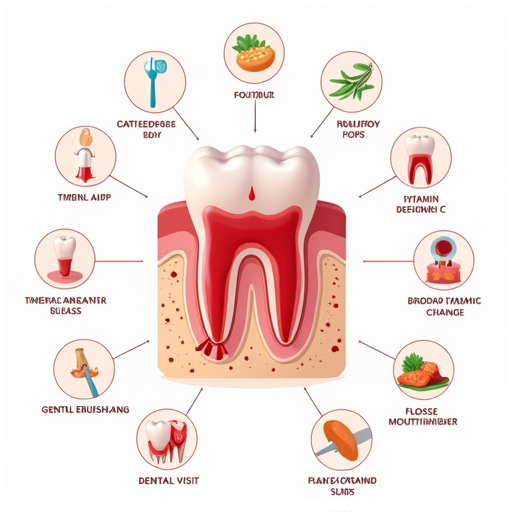
Why Your Gums Bleed—and What You Can Do About It Naturally
Ever brushed your teeth in the morning, spit into the sink, and noticed that faint pink swirl? And then you pause for a second, thinking, “Wait… did that come from me?” Does that sound familiar? I’ve had that moment more times than I should admit—usually during busy months when I’m rushing through my morning routine. Strangely enough, most of us treat bleeding gums like a squeaky floorboard: we notice it, but we don’t do anything until the problem gets louder.
Before we get into the personal stories, natural remedies, or little “why this happens” quirks, let me drop a quick reference point. According to the Gingivitis, gum inflammation is one of the most common oral health problems worldwide, often caused by poor oral hygiene and plaque buildup. But personally, I think that definition feels too academic. Bleeding gums aren’t some abstract dental term—they’re a real-life inconvenience that often pops up at the worst possible times.
And here’s something interesting: dentists in the U.S. have been reporting a rise in bleeding gums among younger adults, especially those working remote jobs. Too much snacking, inconsistent brushing routines, and stress-related teeth grinding—yep, they all add up.
What Bleeding Gums Might Really Mean
Let me tell you a quick story. A friend of mine—let’s call him Matt—used to think bleeding gums were normal. He’d brush aggressively (like he was trying to polish metal) and then say, “It’s fine, my gums are sensitive.” But during a routine cleaning at Atlanta Dentistry, his hygienist gently told him: “Healthy gums don’t bleed. At all.” That one sentence changed his routine instantly.
Poor Brushing Habits
One of the sneaky reasons why your gums bleed is brushing too hard or using the wrong toothbrush. Think of your gums like the soft lining of a favorite pair of shoes—if you scrape them too harshly, they’ll eventually tear. And yes, I learned this the hard way during my college years when I switched to a hard-bristled brush because it “felt more effective.” Spoiler: it wasn’t.
Buildup of Plaque and Tartar
If plaque sits along your gumline for too long, it eventually hardens into tartar. And tartar is like the stubborn barnacle of oral health—once it sticks, you’re not removing it on your own. That’s when bleeding gums become your mouth’s way of saying, “Hey… can we get some professional help here?”
For a deeper look, check out the gum disease info page from Atlanta Dentistry’s Gum Disease Treatment.
Hormonal Changes
This one surprises people. Hormonal fluctuations—especially during pregnancy—can make gums extra sensitive. Dentists call it “pregnancy gingivitis.” I remember someone mentioning she could tell she was pregnant because her gums started bleeding before her period was even late. Not exactly a traditional symptom, but interesting nonetheless.
Vitamin Deficiencies
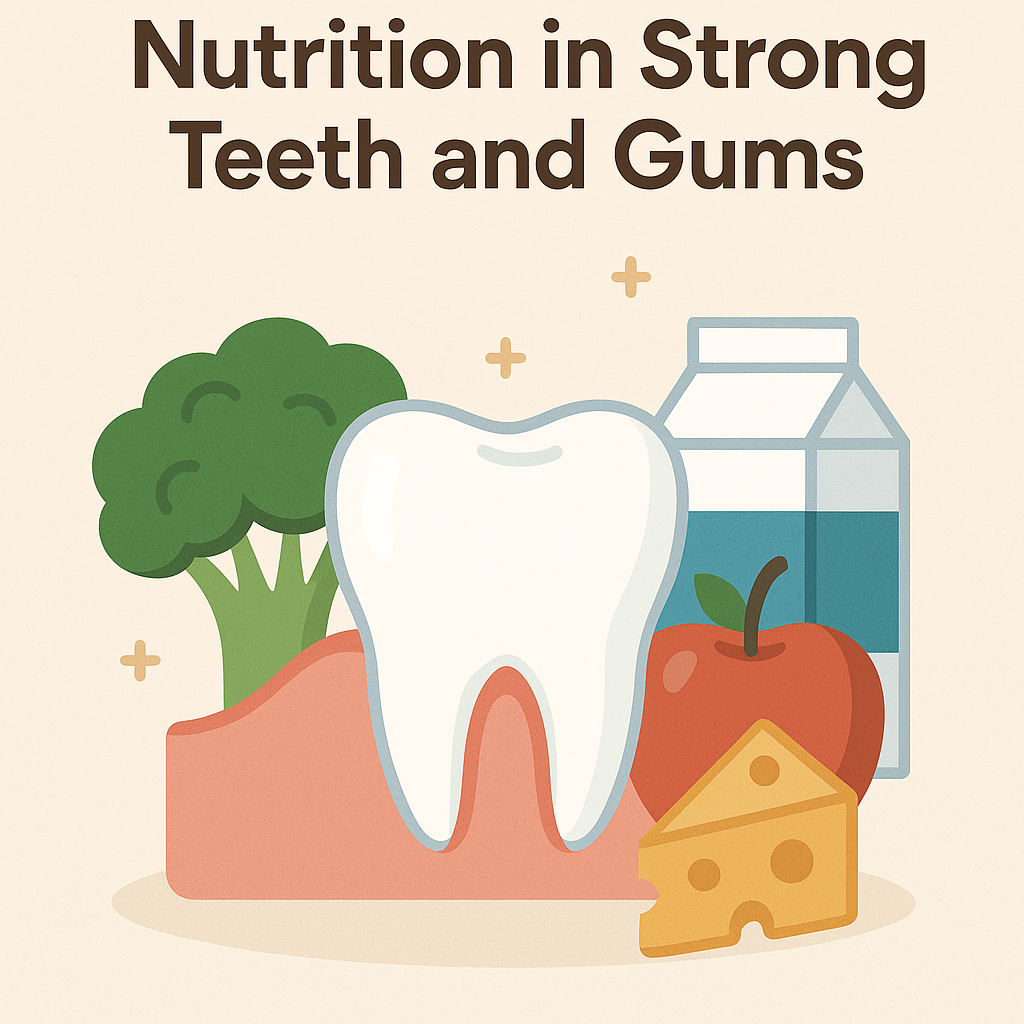
Lack of vitamins C and K can make gums weaker, too. You know how when houseplants don’t get enough sunlight they start drooping? Same vibe here. Your gums need nutrients, or they get fragile and inflamed.
Is It Something Serious?
Alright, here’s a rhetorical question: how often do you ignore small issues until they turn into big ones? Because bleeding gums can be a small issue—or the first sign of something deeper.
Gingivitis vs. Periodontitis
Gingivitis is like the warning light on your car dashboard. Periodontitis is what happens when you ignore that light for too long. Once gum disease progresses, it can erode the bone that holds your teeth in place. I’ve met people who said, “I didn’t lose my tooth… it fell out on its own.” Trust me, you don’t want to get to that point.
If you ever need a proper evaluation, the Atlanta Dentistry contact page is a great place to request an appointment and get ahead of the issue.
Why Your Gums Bleed: A Story Most People Don’t Tell
Here’s a bit of a personal confession. Years ago, after a month-long stressful stretch, my gums were bleeding almost every morning. Not dramatically, but enough to annoy me. I tried changing toothpaste, brushing longer, brushing harder (bad idea), and even rinsing with warm salt water. Nothing changed until I walked into a dental office and the hygienist casually said, “You’re grinding at night, aren’t you?”
And I was. Stress grinding, jaw clenching, the whole package. That tiny detail caused inflammation along my gumline, which made the slightest brushing cause bleeding. A custom night guard and a few lifestyle changes later, things improved dramatically. Sometimes the reason why your gums bleed isn’t the obvious one.
Natural Ways to Reduce Bleeding Gums
People often jump straight to mouthwash or fancy toothpaste, but the truth is—your gums usually want consistency, not complication. Here’s what actually works for most folks.
1. Switch to a Soft-Bristled Toothbrush
This alone helped Matt (the friend I mentioned earlier). Soft bristles clean just as effectively without scraping your gumline like sandpaper.
2. Warm Salt Water Rinse
An old remedy, but still powerful. A warm salt rinse helps reduce inflammation, almost like applying a warm compress but inside your mouth.
3. Floss… Correctly
There’s “I flossed” flossing and then there’s real flossing. If you snap the floss down like you’re slicing fruit, your gums will bleed more, not less. Move gently. Curve around the tooth. Think of it as “hugging” the tooth instead of attacking it.
4. Turmeric Paste
I know this sounds unusual, but turmeric has natural anti-inflammatory properties. A thin paste applied to the gumline can soothe irritation. My aunt swears by it—she even mixes in coconut oil to make it smoother.
5. Increase Vitamin C and K Intake
Sometimes bleeding gums are simply a nutritional nudge. Citrus fruits, leafy greens, and peppers can help. Easy fix, right?
A Mini Case Study: The Surprising Gum Bleed Turnaround
Let me share this quick mini story from a patient testimonial I once read. Someone visited Atlanta Dentistry’s General Dentistry page after months of bleeding gums. His issue wasn’t technique or disease. It was actually mouth breathing while sleeping. Once he switched to a humidifier and addressed nasal congestion, his gums stopped bleeding in under two weeks. It’s wild how the smallest habits can affect oral health.
Advanced Treatments (If Natural Fixes Aren’t Enough)
Professional Cleaning
If tartar is the culprit, no home remedy will remove it—you need a professional cleaning. A dental hygienist uses ultrasonic tools that break up hardened deposits. Honestly, that “buzzing” sound isn’t as scary as it seems.
Deep Cleaning (Scaling & Root Planing)
If gum disease is more advanced, deep cleaning helps remove bacteria beneath the gumline. It’s not fun, but it’s effective—and often prevents the need for more invasive treatments.
Laser Gum Therapy
Some clinics, including Atlanta Dentistry, offer laser-assisted gum therapy. Think of it like precision cleaning with less discomfort and faster healing.
How to Prevent Bleeding Gums Long-Term
Here’s the truth no one says out loud: most people already know how to prevent gum problems—they just don’t do it consistently. Life gets busy. We rush. We forget. We get lazy. And before we know it, bleeding gums have become our new normal.
Daily Habits That Actually Work
- Brush twice daily (with soft bristles)
- Floss once a day—no shortcuts
- Use alcohol-free mouthwash
- Stay hydrated (dry mouth worsens gum bleeding)
- Avoid constant snacking
Watch for Warning Signs
If you start noticing persistent bleeding, receding gums, or chronic bad breath, that’s your sign to get checked. A quick consultation at Atlanta Dentistry may save you months of discomfort later.
Final Thoughts: Your Gums Are Trying to Tell You Something
Let’s wrap this up with something simple but important. When you’re trying to understand why your gums bleed, think of gum bleeding like a gentle tap on the shoulder from your body. It’s not yelling yet, just whispering. Respond early, and you can fix it naturally. Ignore it, and, well… gums don’t just “get better” on their own.
So the next time you see that pink swirl in the sink, don’t panic—but don’t shrug it off either. Small changes matter. Natural remedies help. But a real checkup with a dentist? That’s the game-changer.
And trust me—I’ve been on both sides of the story.