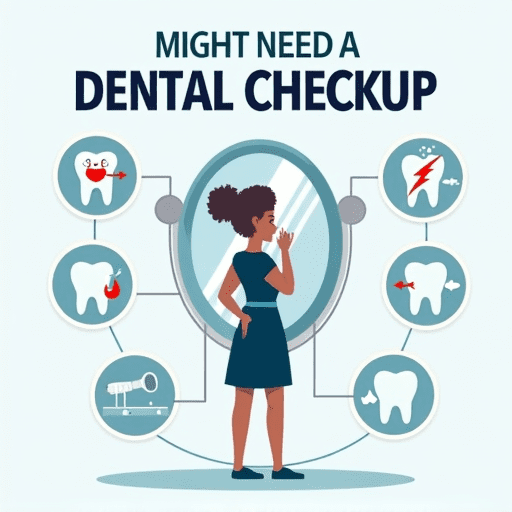
Signs You Might Need a Dental Checkup
Signs You Might Need a Dental Checkup, and sometimes we get so used to our daily routines that our mouth quietly tries to tell us something… and we shrug it off. I’ve done that myself. Once, years ago, I ignored a tiny gum bleed because I thought, “Eh, maybe I brushed too hard.” Spoiler: I hadn’t. And that little bleed turned into a not-so-little deep cleaning appointment.
So, in case you’ve been brushing off (pun slightly intended) those small red flags, here are ten signs your teeth and gums might be waving at you for a professional checkup. I’ve also sprinkled in some real stories, odd analogies, and small quirks—because dental care doesn’t need to feel stiff and clinical.
1. Persistent Bad Breath That Doesn’t Go Away
Chronic bad breath—also known as halitosis—isn’t just about garlic or last night’s spicy meal. When it lingers despite brushing, flossing, scraping, and rinsing, that’s usually your mouth’s version of a car dashboard warning light.
I knew someone who kept mints in every jacket pocket. But mints aren’t magic; they’re just mouth perfume. Underneath, bacteria may be partying in places your brush never reaches.
What Bad Breath Usually Points To
- Gum infection brewing beneath the surface
- Dry mouth (medications or dehydration often trigger this)
- Trapped food in deep gum pockets
- Tooth decay hiding under old fillings
Does that sound familiar?
2. Bleeding Gums When Brushing or Flossing
Let me say something many people misunderstand: bleeding gums are not normal. They’re not your gums “getting used to flossing,” nor are they “just sensitive this week.” They are irritated, inflamed, and probably sending a distress signal.
Think of your gums like the soil around a plant. If it’s dry, cracked, or damaged, the roots suffer. Same with your teeth. Once the gum tissue weakens, the stability of your teeth follows.
Common Causes of Bleeding Gums
- Plaque accumulation right at the gumline
- Vitamin C deficiency
- Stress-triggered inflammation
- Clenching habits that traumatize tissues
3. Sensitivity to Hot, Cold, or Sweet Foods
You know that tiny electric zing you feel when sipping ice water? That’s your tooth saying, “Hey, something’s up.” Sensitivity hints at exposed dentin, gum recession, or enamel thinning.
Side note: People often blame whitening products. While overuse can cause temporary sensitivity, long-term or sharp sensations are rarely just bleaching gel.
Why Sensitivity Matters
It means the protective enamel layer is compromised—or worse, a cavity is creeping up. The tricky part is that sensitivity sometimes comes and goes, which makes people ignore it. But that’s like ignoring a smoke detector that only beeps occasionally.
4. Visible Tartar or Yellowish Buildup
Tartar (also called calculus) is hardened plaque. And here’s the non-negotiable truth: once plaque turns into tartar, you cannot remove it with brushing—no matter how many “whitening” toothpastes promise miracles.
Fun fact: tartar is literally rock-like. Dental hygienists use metal scalers because toothbrush bristles aren’t strong enough. It’s similar to trying to scrub barnacles off a boat using a feather.
What Tartar Leads To
- Gum infection
- Receding gumline
- Tooth mobility
- Chronic inflammation
5. Tooth Pain, Even Mild or Occasional
I once had a patient who told me, “It only hurts when I bite on the left side.” That’s like saying, “My car only smokes when I accelerate.” In dental terms, pain is rarely isolated or random. There’s always a reason.
What Tooth Pain Could Mean
- A cavity reaching the inner layers
- A cracked tooth—especially if you grind at night
- An infection is building pressure in the root
- Old fillings failing beneath the surface
But here’s the kicker: sometimes the tooth that hurts isn’t the actual culprit. Nerves can send mixed signals, so pain may “travel.”
6. Jaw Pain, Clicking, or Stiffness
Many people experience jaw popping and just… ignore it. But the temporomandibular joint (TMJ) is one of the most complex joints in your body. It’s like a sliding hinge with muscles, discs, and ligaments all working in harmony. When one part falls out of rhythm, you feel it.
There’s a spike in TMJ issues recently, especially among people who work long hours on computers or clench during stress.
Signs You Shouldn’t Ignore
- Grinding sounds when opening your mouth
- Morning headaches
- Soreness near the temples
- Difficulty chewing tough foods
7. Dry Mouth More Often Than Usual
Saliva is more than just moisture—it’s your mouth’s built-in cleaning system. According to dental research, saliva neutralizes acids, washes away debris, and protects enamel. When it’s low, your mouth becomes a playground for bacteria.
And no, constantly sipping water isn’t a full solution. Dry mouth (xerostomia) often has underlying causes like medications, dehydration, or lifestyle habits.
Does Dry Mouth Matter?
Absolutely. It accelerates tooth decay. If your mouth feels sticky in the morning or you find yourself waking at night to sip water, your dentist should know.
8. Old Dental Work That’s Past Its Prime
Dental fillings, crowns, and bonding aren’t immortal. A filling can last 8–15 years on average, depending on diet, grinding, and the material used.
I once saw a patient with a 22-year-old silver filling that had cracked like old pavement. They had no idea decay had begun underneath until sensitivity kicked in.
When to Get Old Dental Work Checked
- Crowns feeling loose
- Fillings looking dark or worn
- Bonding chipping around the edges
- Food is getting stuck in familiar spots
9. Chronic Headaches or Facial Pain
Surprisingly, regular headaches can be linked to dental issues. The jaw muscles that help you bite and chew run all the way up to your temples. When they’re strained—usually from grinding, clenching, or misaligned teeth—you feel the tension as headaches.
One client literally thought they needed new glasses, but the real culprit was nighttime grinding. A simple custom nightguard changed everything.
Headaches That Have Dental Origins
- Tension headaches in the temples
- Morning headaches from overnight grinding
- Ear pain without an ear infection
10. It’s Been More Than Six Months Since Your Last Checkup
This is the sneaky one. Life gets busy. Appointments slip through the cracks. But dental issues don’t wait. They progress quietly—usually without pain—until the fix becomes more expensive.
Routine cleanings remove plaque you simply can’t reach at home. X-rays catch early problems. And honestly, who doesn’t appreciate that “fresh-from-the-dentist” smooth tooth feeling?
Why Regular Visits Matter
Prevention is always cheaper, easier, and less painful than treatment. And twice-a-year checkups are the backbone of long-term oral health.
If you’re overdue, now’s a good time to schedule a checkup. A great starting point: Atlantadentistry.net
Final Thoughts
Teeth don’t have a way to shout—they whisper. A small ache, a tiny bleed, a bit of stiffness… these are the quiet ways your mouth asks for help. And ignoring the little signs usually means bigger trouble later.
Does all this feel a bit familiar? If it does, it might be time to give your dentist a call. Even a simple checkup can reset things before they snowball.
And hey, I’ll say it because nobody else will: taking care of your teeth isn’t just about avoiding problems—it’s about confidence, comfort, and showing up in life without distractions buzzing in your mouth.
Here’s to healthier smiles—one checkup at a time.