Signs of Gum Disease You Should Never Ignore (And When to See a Dentist in Atlanta)
Signs of Gum Disease and here’s something most people don’t realize: gum disease doesn’t usually start with pain. It starts quietly—maybe a little bleeding when you brush, or gums that feel slightly swollen. Easy to ignore, right?
That’s exactly why it becomes a serious problem.
I’ve seen people in Atlanta brush off these early signs for months, even years, thinking it’s “normal.” Then one day, they’re dealing with loose teeth or advanced gum infections. The frustrating part? It was preventable.
Let’s break down the real signs of gum disease, what they actually mean, and when it’s time to stop guessing and see a professional.
Featured Snippet: What Are the First Signs of Gum Disease?
The first signs of gum disease include bleeding gums, redness, swelling, and bad breath. These symptoms indicate early-stage gingivitis, which can be reversed with proper oral hygiene and professional dental care if treated promptly.
What Is Gum Disease (And Why It’s More Serious Than You Think)
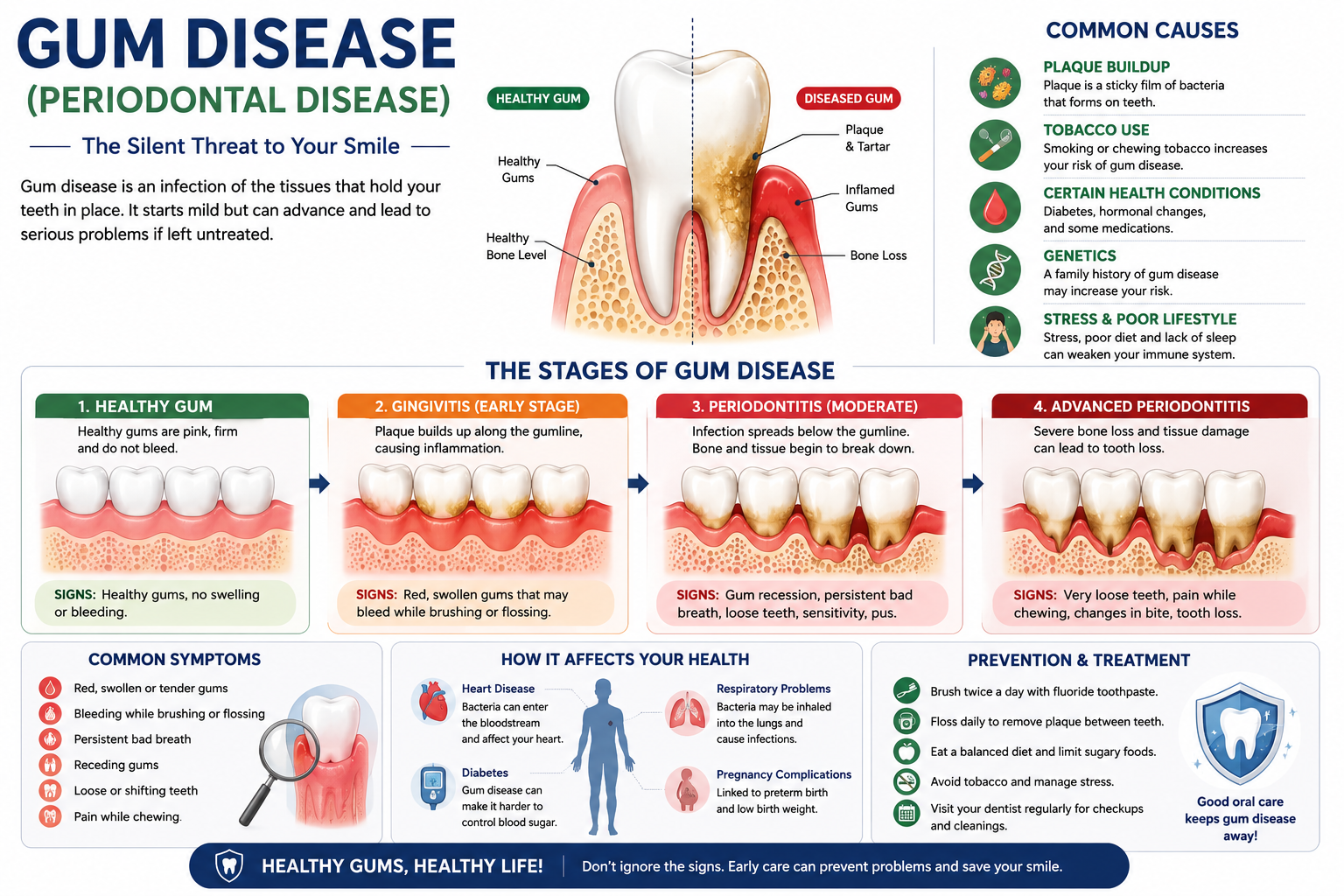
Gum disease, also known as periodontal disease, is an infection of the tissues that support your teeth. It starts as gingivitis and can progress into more severe stages if ignored.
And here’s the catch—it doesn’t just affect your mouth. Research has linked gum disease to heart issues, diabetes complications, and overall inflammation in the body.
That’s why many professionals listed on dentist in Atlanta directories emphasize early detection.
Early Signs You Should Never Ignore
1. Bleeding Gums
If your gums bleed when brushing or flossing, that’s not normal—it’s a warning sign.
A lot of people assume they’re brushing too hard. Sometimes that’s true, but more often, it’s inflammation caused by plaque buildup.
2. Red or Swollen Gums
Healthy gums are firm and pale pink. If yours look darker, puffy, or irritated, your body is reacting to bacterial infection.
This stage is still reversible—but only if you act quickly.
3. Persistent Bad Breath
Bad breath that doesn’t go away, even after brushing, is often caused by bacteria trapped below the gumline.
It’s one of those symptoms people try to mask with mouthwash—but that only covers the problem temporarily.
Many articles on the Atlanta Dentistry blog highlight bad breath as an early red flag.
4. Gum Sensitivity or Tenderness
If your gums feel sore when eating or brushing, it could indicate early-stage gum disease.
Sensitivity is your body’s way of signaling that something isn’t right.
Advanced Symptoms That Require Immediate Attention
When gum disease progresses, the symptoms become more serious—and harder to reverse.
1. Receding Gums
Notice your teeth looking longer than usual? That’s gum recession.
It exposes tooth roots and increases sensitivity.
2. Loose Teeth
This is a late-stage symptom and a serious one.
Bone loss around the teeth can cause them to shift or loosen.
3. Pain While Chewing
Discomfort during eating can indicate deeper infection or structural damage.
4. Pus Between Teeth and Gums
Yes, it’s as bad as it sounds—and it requires immediate dental care.
At this stage, finding experienced professionals through top rated dentists in Atlanta becomes critical.
Comparison Table: Healthy Gums vs Gum Disease
| Healthy Gums | Gum Disease | What It Means |
|---|---|---|
| Pale pink and firm | Red, swollen, tender | Inflammation present |
| No bleeding | Bleeding during brushing | Early infection (gingivitis) |
| No bad breath | Persistent bad breath | Bacterial buildup |
| Stable teeth | Loose or shifting teeth | Advanced periodontal disease |
Why Atlanta Residents Are at Risk (Local Insight)
Atlanta’s fast-paced lifestyle plays a role here too.
- Busy schedules lead to skipped dental visits
- High coffee consumption can dry out the mouth
- Stress contributes to poor oral hygiene habits
It’s not uncommon for people to delay care until symptoms worsen.
That’s why platforms like Atlanta Dentistry directory make it easier to find reliable care quickly.
When Should You See a Dentist?
Here’s a simple rule: if symptoms last more than a week, don’t ignore them.
You should book a dental visit if you notice:
- Bleeding gums consistently
- Swelling or redness
- Persistent bad breath
- Gum recession
- Loose teeth
Early visits mean simpler treatments. Waiting usually means more complex procedures.
How to Prevent Gum Disease
Prevention isn’t complicated—but it does require consistency.
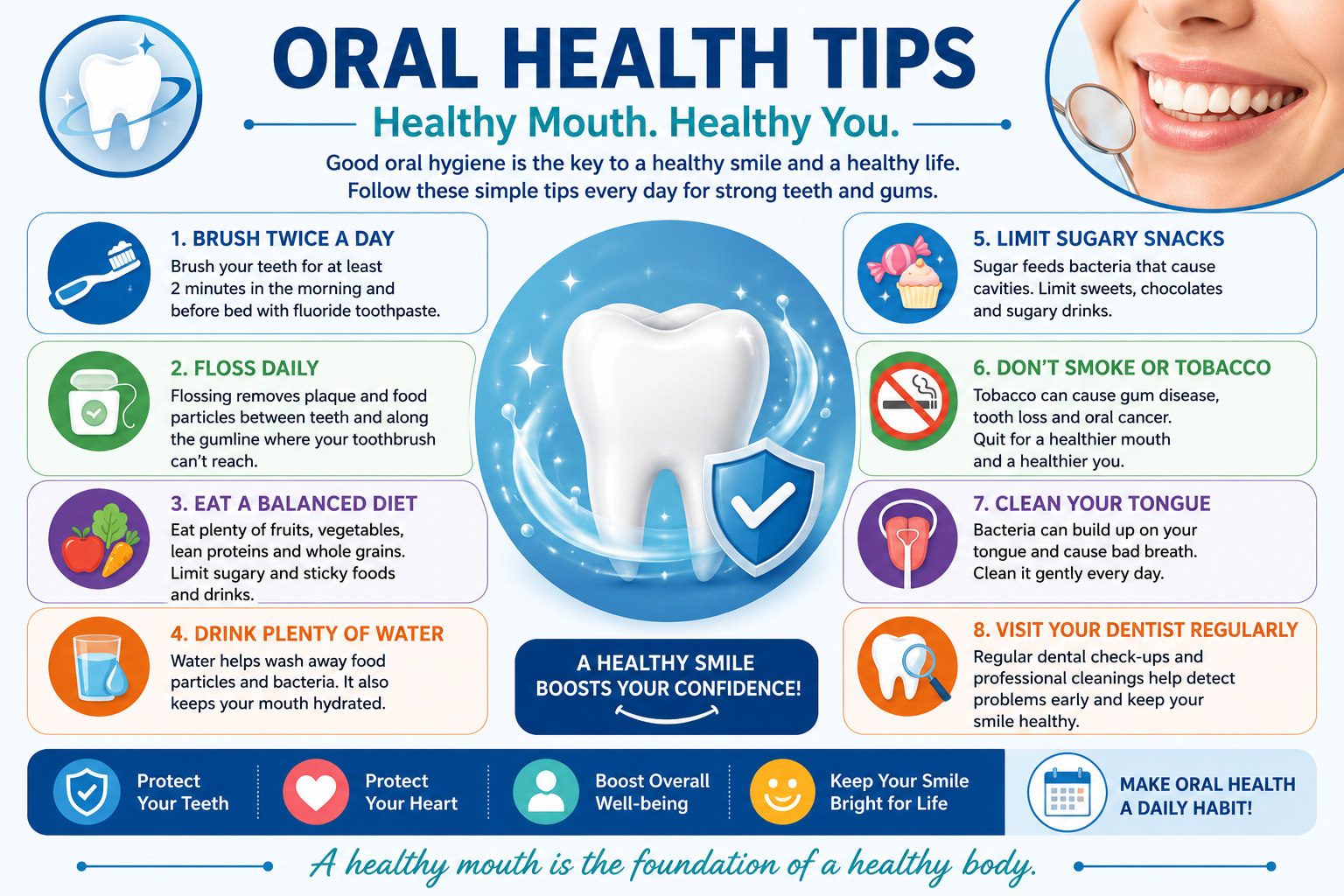
- Brush twice daily with proper technique
- Floss regularly
- Use antibacterial mouthwash
- Limit sugary and acidic foods
- Visit a dentist every 6 months
Simple habits. Big difference.
Real-Life Perspective: The Cost of Ignoring Symptoms
I remember someone from Midtown Atlanta who ignored bleeding gums for over a year. It didn’t hurt, so it didn’t feel urgent.
Eventually, they needed deep cleaning procedures and ongoing treatment.
The takeaway? Early action could’ve saved time, money, and discomfort.
FAQ Section
Can gum disease go away on its own?
No, gum disease does not go away on its own. Early-stage gingivitis can be reversed with proper oral hygiene and professional care, but advanced stages require dental treatment.
Is bleeding gums always a sign of gum disease?
Most of the time, yes. Occasional bleeding may result from brushing too hard, but consistent bleeding is usually a sign of inflammation or infection.
How fast does gum disease progress?
Gum disease can progress slowly over months or years, but in some cases, it can advance more rapidly depending on oral hygiene and health conditions.
Can gum disease affect overall health?
Yes, studies have linked gum disease to heart disease, diabetes, and other systemic health issues due to chronic inflammation.
Final Thoughts: Don’t Wait for Pain
Here’s the truth—gum disease is one of the most preventable dental problems, yet it’s also one of the most ignored.
Why? Because it doesn’t hurt… until it does.
Pay attention to the early signs. They’re your best chance to avoid serious complications.
Take Action Today
If you’ve noticed any of these symptoms, don’t delay.
Visit Atlanta Dentistry Directory to find trusted professionals, explore treatment options, and take control of your oral health before small issues turn into major problems.
Your gums might not demand attention—but they definitely deserve it.