How to Prevent Cavities With Sugar
How to Prevent Cavities With Sugar. At Atlanta Dentistry, we understand that giving up sugar entirely isn’t realistic for most people. Instead, we empower you with smart, dentist-approved methods to enjoy occasional sweets—without compromising your dental health. Here’s how to protect your smile, even when you indulge.
Understanding Cavities and How They Form
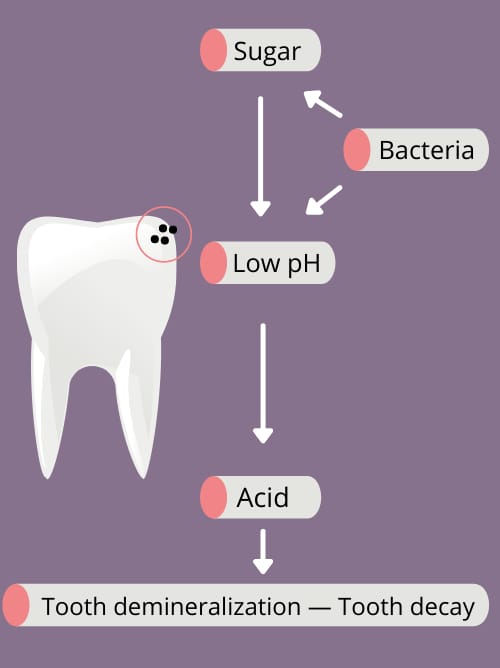
Cavities—also called dental caries—occur when acids from oral bacteria erode the enamel, causing mineral loss and leading to holes in your teeth. This process, known as demineralization, is reversible in early stages thanks to saliva, fluoride, and healthy dietary habits—but only with consistent care. On the flip side, remineralization strengthens enamel by replacing lost minerals like calcium and phosphate.
What role does sugar play?
Sugary foods and drinks fuel acid-producing bacteria, accelerating enamel breakdown. It isn’t just sweetness, but stickiness and frequency of intake that matter. However, with smart habits, occasional sugar indulgences need not spell disaster.
Top Strategies to Keep Cavities at Bay—Sweet Enjoyment Included
1. Practice good oral hygiene—and timing matters
Brush twice daily with fluoride toothpaste (at least 1350 ppm fluoride) and floss daily. Immediately after consuming sugar, rinse with water or delicately brush—wait at least 30 minutes after acidic treats to avoid enamel wear.
2. Rinse or chew sugar‑free gum
Sugar-free gums (especially those containing xylitol) stimulate saliva flow—which neutralizes acids and delivers minerals to enamel—and actively reduce harmful bacteria. Choose sugar alcohols like xylitol over sorbitol for best results.
3. Incorporate remineralizing agents
Use clinically validated products like toothpaste or rinse with calcium-phosphate formulas (e.g., NovaMin, Recaldent) and fluoride, which work synergistically to fortify enamel.
4. Limit sugar frequency, not necessarily quantity
Spacing out sweets gives saliva time to rebalance your oral environment. Swap frequent sugary snacks for single dessert servings, and avoid sipping sweetened beverages over long periods.
5. Eat smart for a healthy mouth
Snack on fruits, veggies, cheese, nuts—these are naturally tooth-friendly.
Calcium-and vitamin-D foods (e.g., dairy, fortified plant milk) help provide essential building blocks for healthy enamel.
Hydrate with plain water—bonus if fluoridated at home or in your source.
6. Regular dental visits & professional treatments
Schedule cleanings and checkups every six months at Atlanta Dentistry to detect issues early. We offer in-office fluoride varnish and sealants that reduce cavity risk significantly—by up to ~46% in some studies.
Everyday Lifestyle Hacks for Sweet Tooth Success
Keep sugary treats as post-meal delights
Desserts eaten immediately after meals are buffered by saliva produced during eating, reducing the acid impact.Choose sweets that pass quickly through the mouth
Hard candies, chocolate, and ice cream dissolve fast—unlike sticky candies or caramels that cling. Favor these for lower cavity risk.Chew xylitol gum after meals or sugar intake
It’s a simple yet effective alternative to brushing on the go—stimulates saliva and limits acid hours post-sugar.Add dairy or cheese
A tiny cheese cube after dessert can neutralize acid, buffer pH, and supply enamel-strengthening minerals.Avoid sugar at bedtime
Going to sleep with sugar or acid residue means less saliva during the night—prime time for cavities. Brush thoroughly before bed and rinse with water.
When to Book an Appointment at Atlanta Dentistry
If you notice:
Tooth sensitivity when eating sweets, hot, or cold items
Visible pits, holes, or brown spots
Consistently high-sugar diet and white spots near gum lines
…we recommend booking a visit to Atlanta Dentistry’s Comprehensive Family Dental Care. We offer tailored guidance and advanced preventive care.
Learn More About Remineralization
For a deeper dive into how your enamel protects itself and how treatments support that repair, check out the Wikipedia article on Tooth Remineralization. You’ll find science-backed insights on how diet, saliva, fluoride, and minerals work together.
Conclusion
You don’t have to eliminate sugar to protect your teeth—you just need smart habits. By balancing good oral hygiene, remineralizing products, strategic eating practices, and regular dental care, you can indulge mindfully without increasing cavity risk. At Atlanta Dentistry, we’re here to help you enjoy a healthy, resilient smile—sweets included.