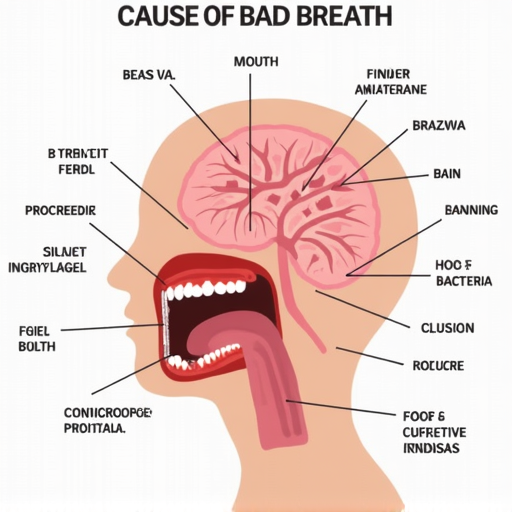
Why Your Breath Smells—and How to Fix It Naturally
Why Your Breath Smells So Bad. Breath is one of those things nobody wants to admit they have, yet almost everyone has gone through it at some point. And I’ll be honest—my own wake-up call came during a quick conversation at a café when a friend quietly slid a mint toward me. Not my most graceful moment, but hey, sometimes the little embarrassments push us to figure out what’s actually going on.
According to Wikipedia, halitosis affects a significant portion of the population, and it’s usually rooted in bacteria that break down leftover food particles. But the real story is more layered than that. And maybe that’s why breath issues tend to feel so personal—because the causes often come from everyday habits we don’t think twice about.
What Actually Causes Bad Breath?
You’d think “bad breath” would have a single cause. Nope. More like a whole buffet of possibilities, some you’d never expect. But does that sound familiar? You brush twice a day, maybe even floss, but something still feels… off.
1. The Dry Mouth Problem Nobody Talks About
One of the sneakiest culprits behind smelly breath is dry mouth. And here’s the thing—most people don’t realize how essential saliva is for neutralizing acids and washing away bacteria. But when the mouth is consistently dry, the bacteria thrive. It’s kind of like letting dishes sit in the sink overnight; things start to smell.
Many dentists, including those at Atlanta Dentistry, highlight dry mouth as a major contributor, especially among people who breathe through their mouth while sleeping or use certain medications.
2. Tongue Bacteria (Yes, It’s a Real Thing)
Ever scraped your tongue and wondered where all that gunk came from? Most odor-causing bacteria live right there. That white or yellowish coating on the tongue? It’s basically a bacterial neighborhood that releases sulfur-like smells. Charming, right?
3. Hidden Gum Problems
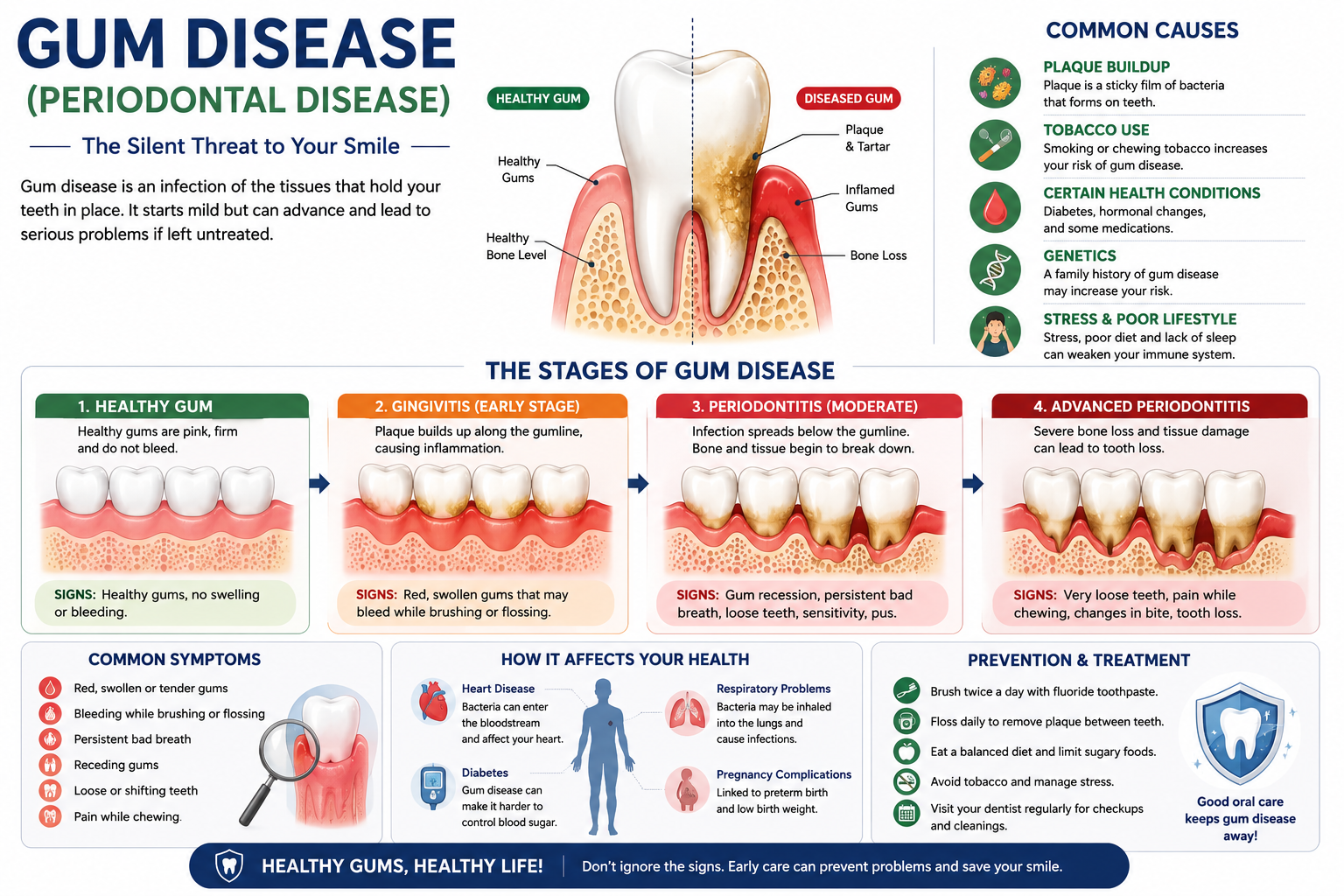
Bad breath can also be the “early warning siren” of gum disease. In periodontal pockets (tiny gaps between teeth and gums), bacteria multiply fast. And once they start releasing volatile sulfur compounds, the breath takes on a smell you can’t mask with mints.
That’s why many people end up visiting the periodontal care team for help when home remedies fail.
4. The Diet Nobody Warned You About
Certain foods—garlic, onions, spicy dishes—don’t just linger in the mouth. They enter the bloodstream and eventually your lungs, coming out when you exhale. It’s wild, but also kind of fascinating how the body works.
5. Sinus Issues (A Surprisingly Common Trigger)
If you’ve ever had chronic sinus congestion, you know mucus can drip down to the throat. That buildup becomes a breeding ground for bacteria. A patient I knew—let’s call her Marie—thought she had persistent dental issues. Turns out, her sinuses were the real villains.
Natural Remedies to Fix Bad Breath That Actually Work
I’ve tried countless breath-freshening “hacks,” and only some truly work. Natural remedies, when done right, can be powerful. But natural doesn’t mean slow—it means strategic.
1. Hydration: The Simplest Fix Most People Ignore
Dry mouth practically invites bad breath. I started drinking a glass of water every hour during long work days, and the difference was ridiculous. Sometimes the solution isn’t complicated—it’s consistency.
2. Tongue Scraping (A Game-Changer)
A tongue scraper is one of the cheapest dental tools you can buy, yet it’s wildly underrated. You can remove up to 70% of odor-causing residue by scraping daily. Imagine cleaning a window—you don’t notice how dirty it was until you wipe it.
3. Rinse with Saltwater
This old-school trick works for a reason: saltwater neutralizes bacteria and reduces inflammation. My grandmother swore by it, and honestly, she wasn’t wrong.
4. Chew Herbs Instead of Gum
Parsley, clove, and fennel seeds—they’ve all been used traditionally to freshen breath. Clove especially has antimicrobial properties, which might explain why it’s been used for centuries in oral care rituals.
5. Oil Pulling
This Ayurvedic practice involves swishing coconut oil in your mouth. And even if it feels odd the first time, it does help reduce bacteria. Think of it like deep-cleaning your mouth before brushing.
6. Switch to a Soft-Bristle Toothbrush
Believe it or not, hard bristles can irritate your gums. When gums get inflamed, bacteria grow deeper in the pockets—leading to worse breath. A soft-bristle brush cleans effectively without damaging tissue.
A Real Case Study: The Client Who Tried Everything
A few months ago, I spoke to someone who had been dealing with stubborn breath odor for years. No matter how much he brushed or how many mints he popped, the bad breath came back within an hour. After a detailed evaluation, his dentist discovered a deep gum pocket and a layer of tongue buildup he wasn’t addressing.
Here’s what finally solved it for him:
- Daily tongue scraping
- Soft-bristle brushing
- Professional dental cleaning
- Hydration every two hours
- Saltwater rinses
Within three weeks, the transformation was dramatic. Sometimes the most effective solutions are a combination of small, easy habits.
When You Should See a Dentist
Let’s be real—home remedies won’t fix everything. If your breath smells bad for more than two weeks, it’s time to get checked out. Not in a “panic and schedule five appointments” way, but more of a “let’s make sure nothing serious is brewing” way.
Issues like gum disease or infected teeth require professional care. And for that, the Atlanta Dentistry team has specialized treatments that go way beyond store-bought mouthwash.
Red Flags You Shouldn’t Ignore
- Bleeding gums
- Pain while chewing
- Metallic taste in the mouth
- Persistent dryness
- Bad breath that keeps returning
Natural Prevention Habits You Can Start Today
If you’re thinking, “Okay, but how do I prevent this long-term?”—you’re asking the right question. Prevention isn’t about perfection. It’s about simple habits that stack up over time.
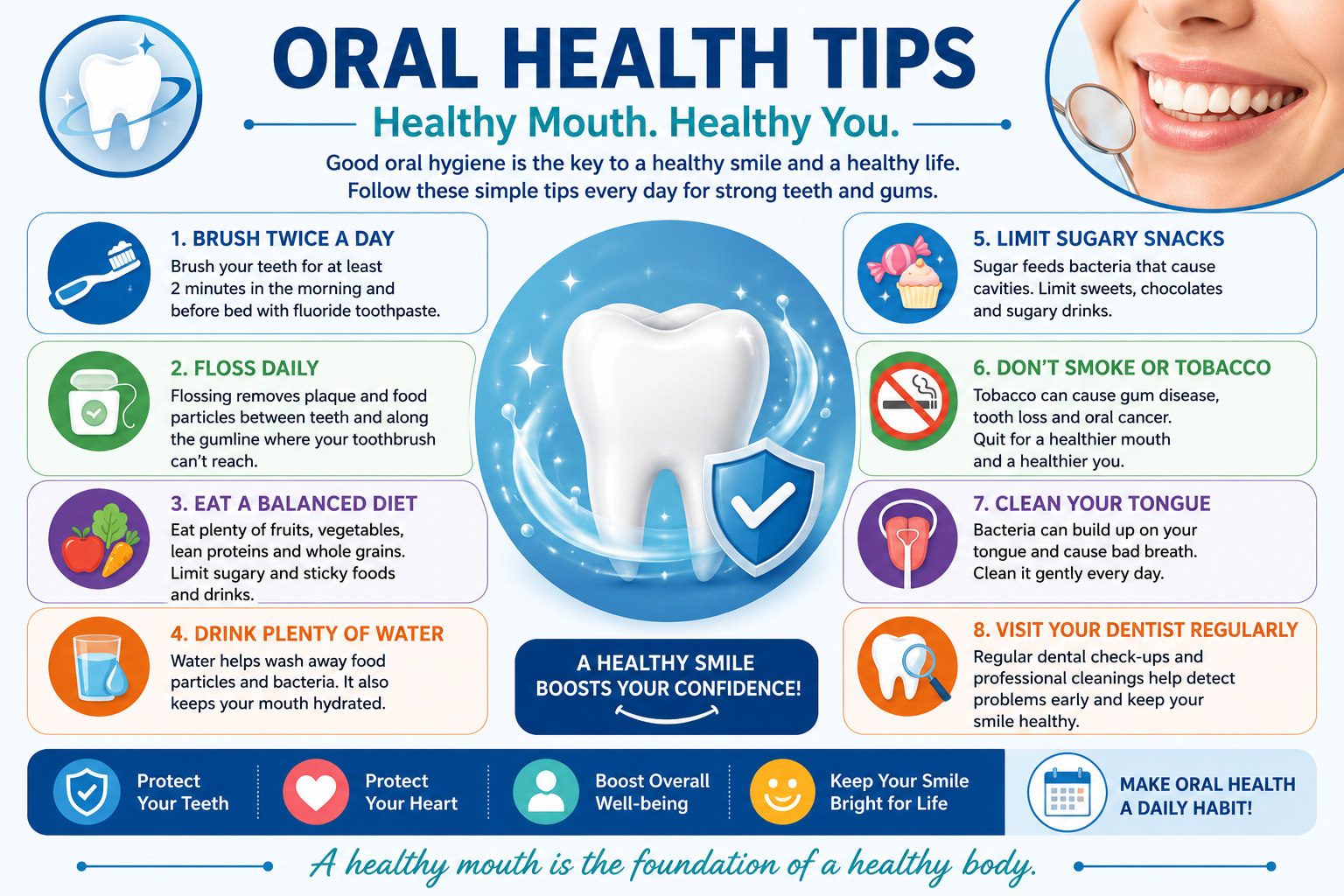
Brush the Right Way
Technique matters more than pressure. I once brushed way too hard, thinking it made things cleaner. Nope. It only irritated my gums.
Build a Routine You Actually Enjoy
Maybe it’s soft music in the bathroom, maybe it’s a minty toothpaste you genuinely like. Enjoyable habits last longer.
Track What You Eat
I started keeping a note whenever certain foods affected my breath. It’s surprising how patterns show themselves when you’re paying attention.
Get Regular Cleanings
This is non-negotiable. Professional cleanings remove what home brushing can’t. Many people wait too long—don’t be one of them.
A Quick Breath-Check Trick
Try this right now: lick the back of your wrist, wait a few seconds, then smell it. Sounds odd, but it gives a more accurate picture than blowing into your hands.
Conclusion: Fresh Breath Is a Daily Habit, Not a One-Time Fix
Bad breath isn’t a moral failing or a hygiene disaster—it’s usually a simple imbalance. But once you understand the triggers, you can fix them naturally. After all, fresh breath isn’t just about smelling good; it’s about confidence, comfort, and showing up as your best self every day.