Are Dental Implants Worth It? Pros and Cons Explained
For Dental Implants Worth, when I first lost a molar in my late 30s, I was torn: live with the gap — or get a dental implant. I hesitated for months. Finally, I went ahead. And now, a few years later, I often wonder: was it really worth it? This post walks you through the real pros and cons of implants — with some human‑level honesty, small quirks in tone, and a few analogies thrown in. If you’re searching “are dental implants worth it?”, you’ll find food for thought here. But no lecture, just straight talk.
What Are Dental Implants — and How Do They Work?
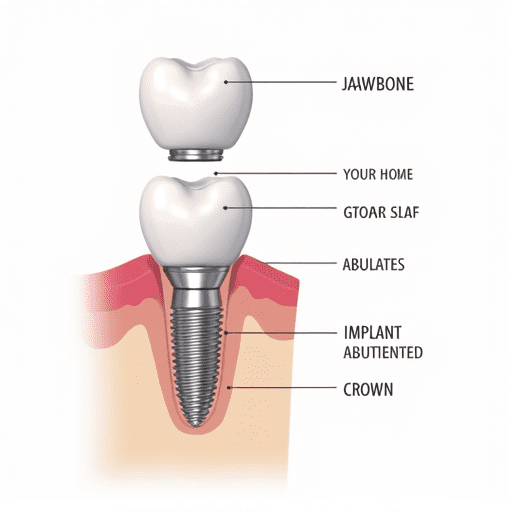
So first: what exactly is a dental implant? Put simply, a dental implant is a titanium post placed into the jawbone that acts as a substitute root for a missing tooth. Over time, bone fuses around that post — a process known as osseointegration. Once stable, a crown is attached to give you a tooth that looks, feels, and functions more like a natural tooth than dentures or bridges.
Think of it like anchoring a flagpole deep into solid ground instead of just sticking a stick on soft soil. With good anchoring, the flag stands tall even when the wind blows. That’s what osseointegration does — it ensures the implant stays rooted under ordinary pressures like chewing or biting.
Why Doctors Often Recommend Implants Over Bridges or Dentures
- Preserves bone structure: When you lose a tooth, the jawbone underneath tends to resorb (shrink) over time — that’s because it’s no longer stimulated by chewing forces. An implant delivers that stimulation and helps maintain bone density.
- No impact on nearby teeth: Tooth‑supported bridges require the adjacent teeth to be ground down. Implants stand alone — no collateral damage.
- Better chewing and comfort: Compared to dentures, implants don’t slip or require adhesives. Many patients say they forget they even lost a tooth.
Implant Benefits: When It Feels Worth It
From my own experience and stories I’ve heard — yes, there are clear benefits. Here’s when I think implants make a lot of sense.
1. Long-Term Function and Aesthetics
After the healing period (usually 3–6 months), the implant acts just like a real tooth. I can chew nuts, bite into apples, or snack on crunchy salads without second thoughts. The crown matched my other teeth well enough that even I sometimes forget which one was “fake.” That’s not a small thing: confidence matters. And for many folks, social engagements, smiling for pictures, speaking freely — that comfort counts a lot.
2. Preservation of Bone and Facial Structure
As people age, missing teeth without replacement can lead to noticeable bone loss. I’ve seen older relatives with sunken cheeks or a collapsed look due to multiple missing teeth. An implant helps maintain the jawbone, preserving your facial contours. If you care about long‑term gum health and bone density, this is a strong argument in favor.
3. Durability — If Maintained Properly
Studies indicate that with good care, implants have high long‑term success rates. Many implants last 20 years or more. Of course, this depends heavily on oral hygiene, avoiding heavy chewing habits like ice‑cracking, and regular dentist visits. It’s not “set and forget,” but when you treat it right, it really pays off in the long run.
4. Lifestyle Freedom
Going out for dinner? No worries about denture adhesives or removing anything. Want to sleep or swim? Implants are invisible and stable. For people who lead active, busy lives — think athletes, professionals, travelers — implants offer a kind of freedom dentures don’t. For me, that was part of the appeal. And if you’ve ever had dentures slip mid‑conversation — does that sound familiar? — You’ll appreciate what implants bring.
Implant Risks & Downsides — Why Some Say “Maybe Not Yet”
But hold on — it isn’t all sunshine and perfect crowns. Implants come with their own share of drawbacks. I wish someone had laid them out for me clearly. So here they are.
1. High Initial Cost
Getting an implant isn’t cheap. Between the surgical procedure, the dental crown, and possibly bone grafting (if bone density is low), the cost can be high. When I got mine, I had to save up and budget carefully for several months. For someone on a tight budget or without dental insurance, that upfront cost can feel burdensome. That’s perhaps the biggest barrier for many people considering Tooth Replacement.
2. Healing Time and Discomfort
Unlike a bridge — which can sometimes be placed in a single visit — implants require multiple appointments and a substantial healing period. I had soreness for a few days post‑surgery, and avoided hard or chewy foods for weeks. Then came weeks of “soft diet only.” That “Recovery Time” isn’t trivial. Life got a bit awkward: no crunchy snacks, no chewing gum. If you want instant results, implants may test your patience.
3. Not a Guarantee — Implant Failure Happens
Though rare, implants can fail. Reasons might include insufficient bone density, poor osseointegration, infection, or improper loading (like chewing too early). If you have gum disease or chronic conditions like uncontrolled diabetes, the risk increases. For some people I spoke with, their implant had to be removed and replaced. That “Long-Term Success” isn’t guaranteed unless you maintain excellent oral hygiene and commit to regular check-ups.
4. Maintenance and Lifestyle Constraints
Even though implants don’t decay like natural teeth, the surrounding gums and bone still need care. Neglecting gum hygiene can lead to inflammation or a condition called peri‑implantitis. So you have to stay on top of brushing, flossing, and regular dentist appointments. For some people who slack off, dentures might be lower‑maintenance in the short term (though worse long‑term). Also, heavy smokers or people who clench/grind teeth might stress the implant over time.
A Mini Case Study — My Journey + a Friend’s Twist of Fate
Let me share two real stories — mine and a friend’s — to illustrate how outcomes can differ.
Case 1: My Own Implant
Around five years ago, I lost a back molar due to a failed root canal. The dentist recommended a bridge or implant; I balked at the cost but eventually opted for the implant. The surgery went smoothly. Bone quality was good; no bone graft was needed. After 4 months, I got the permanent crown. Since then, no major issues. I chew, bite, smile — and some days I forget where the missing tooth even was. My comfort, gum health, and even appearance improved. I consider it a win, especially in the long term.
Case 2: Friend Who Rushed — And Regretted It
My friend “Sarah” (names changed) chose an implant to replace a front tooth for aesthetic reasons. She was in a hurry — applying for jobs, concerned about appearance. The dentist placed the implant, but she started using it to bite into crunchy sandwiches nearly immediately. Within months, she experienced mild pain and gum swelling — signs of poor osseointegration and gum stress. After a year, she opted for removal and a different solution (bridge). It was costly and frustrating — lost money and time. Moral: rushing the recovery or underestimating the maintenance can spoil the whole benefit.
So, Are Dental Implants Worth It in the End?
Here’s how I see it: if you value long-term function, bone preservation, and lifestyle comfort — and you’re willing to invest in upfront cost, healing time, and ongoing care — implants are often worth it. But if immediate affordability, minimal downtime, or low maintenance are your priority, maybe you want to think twice. Implants aren’t magic bullets. They require commitment, like owning a car vs. renting a scooter. The comfort and reliability are higher — but so is the responsibility.
One more thing — timing matters. Many dentists recommend you get an implant soon after tooth loss, before the bone resorbs significantly. If you wait years, the bone might shrink enough to require bone grafts, adding complexity and cost. That’s something to factor in when you contemplate “Tooth Replacement.”
Tips Before You Take the Implant Road (What I Wish I’d Known)
- Get a full bone scan: Make sure your jawbone is dense enough. If not, ask about bone grafts and what that entails.
- Ask about material quality: Titanium is standard. Some dentists use cheaper alloys — clarify what you’re getting.
- Plan for downtime: Soft‑food diet for a few weeks. Avoid smoking, hard chewing, or grinding during healing.
- Commit to oral hygiene: Brush, floss, and go for regular cleanings. An implant may not decay, but neighboring gums and bone still need care.
- Have realistic expectations: It’s durable — but not indestructible. Treat it like your real tooth.
Final Thoughts — My Honest Verdict
Yes — I believe implants are worth it for many people. For me personally? They were. The comfort, the ease of living, the peace of mind — they justified the cost and effort. But I also know they’re not for everyone. The upfront investment, healing period, and need for maintenance make implants less ideal for someone looking for quick, cheap fixes.
If you ask me, weigh your priorities. Want long-term stability, aesthetic value, and a “set it and forget it” tooth replacement (well, almost set and almost forget)? Go for it. But be prepared: this is a dental commitment, not a fashion statement. Think of it as building a sturdy bridge over a once-gaping hole — it takes planning and effort, but once done, it serves reliably for years.
In the end, are dental implants worth it? For many, yes. But only if you’re ready to invest, care, and commit. If you want a quick patch or are unsure about upkeep, you might want to slow down, talk to your dentist, and weigh options. And maybe — just maybe — wait a bit. Because whatever you choose, it’s going to be your smile for decades to come.