Gum Disease Silent Signs
Why Gum Disease Is Often Called “The Silent Epidemic”
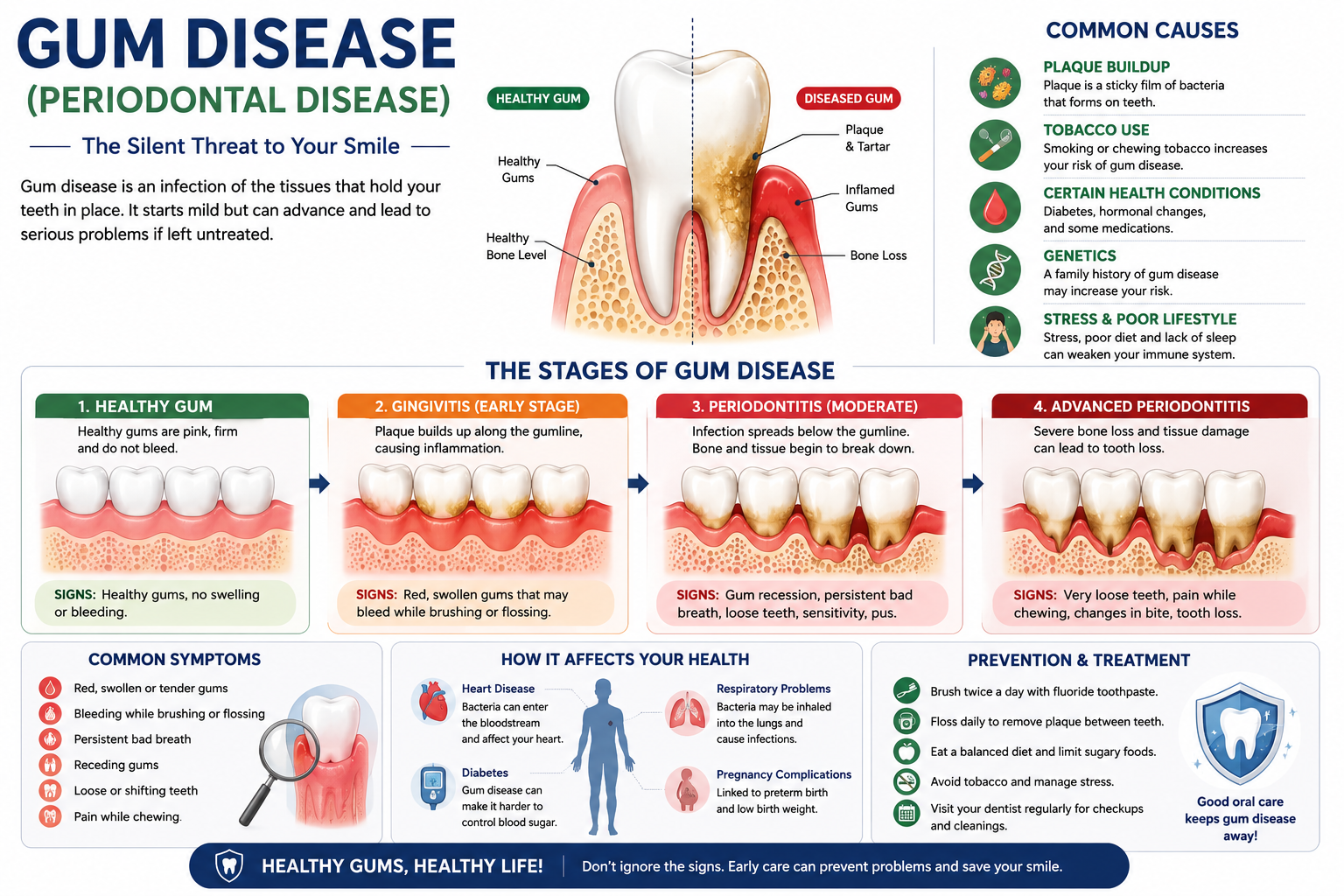
Gum disease, or periodontal disease, frequently advances with minimal pain, making it easy to overlook until significant damage occurs. By the time symptoms become noticeable, tooth‑supporting bone may already be eroded.
Early Changes You Might Miss
- Bleeding gums when brushing or flossing
- Bad breath that antiseptic rinses can’t mask
- Gum recession – teeth appearing longer than before
- Minor swelling and redness around the teeth
Recognizing Silent Warning Signs
1. Bleeding Gums That Don’t Go Away
Occasional bleeding may seem harmless, but persistent mild bleeding—especially when brushing thorny bits of floss—often indicates inflamed gums, known as gingivitis. Left untreated, it can progress into more serious periodontitis.
2. Chronic Bad Breath (Halitosis)
Ongoing bad breath can signal the buildup of bacterial plaque and toxins below the gumline. These infections release sulfur compounds that over-the-counter mouthwashes can’t fully eliminate.
3. Subtle Gum Recession or Deepened “Pockets”
When gums pull away from teeth, small pockets form and collect bacteria. You might detect this as food getting stuck or mild sensitivity to hot/cold, but it often goes unnoticed without professional periodontal probing.
4. Loose or Shifting Teeth
As bone support diminishes, teeth may loosen, drift apart, or develop bite changes. Children and adults alike may dismiss this as aging—yet it’s a red flag for advanced periodontal disease.
5. Pain Only When Chewing
This intermittent, dull ache—especially when biting into hard foods—shouldn’t be ignored. It could suggest infection in the tissues supporting the tooth.
The Hidden Dangers of Untreated Gum Disease
Systemic Health Links
The mouth is a gateway to the body. Untreated gum disease increases inflammation and bacterial burden in the bloodstream, contributing to:
- Heart disease & stroke
- Type 2 diabetes complications
- Respiratory infections
- Complications in pregnancy (e.g., low birth weight)
Bone & Tooth Loss
Once jawbone is lost, it’s irreversible. Without bone, teeth become unstable and may be lost—leading to costly and invasive restorative procedures.
Impact on Daily Life & Self‑Confidence
Fresh breath, a healthy smile, and stable chewing are critical to confidence and quality of life. Gum disease threatens all three.
How Dentists in Atlanta Address Gum Disease
At Atlanta Dentistry, we prioritize early detection and personalized care:
- Comprehensive periodontal evaluation using digital X-rays and pocket measurement
- Expert cleaning by hygienists trained in scaling and root planing
- Patient education & home care coaching for long‑term success
- Advanced therapy for high‑risk or advanced cases, including laser treatment or flap surgery
- Maintenance plans tailored for individuals with recurrent gum issues
Effective Prevention: Tips for Healthy Gums
Daily Home Habits
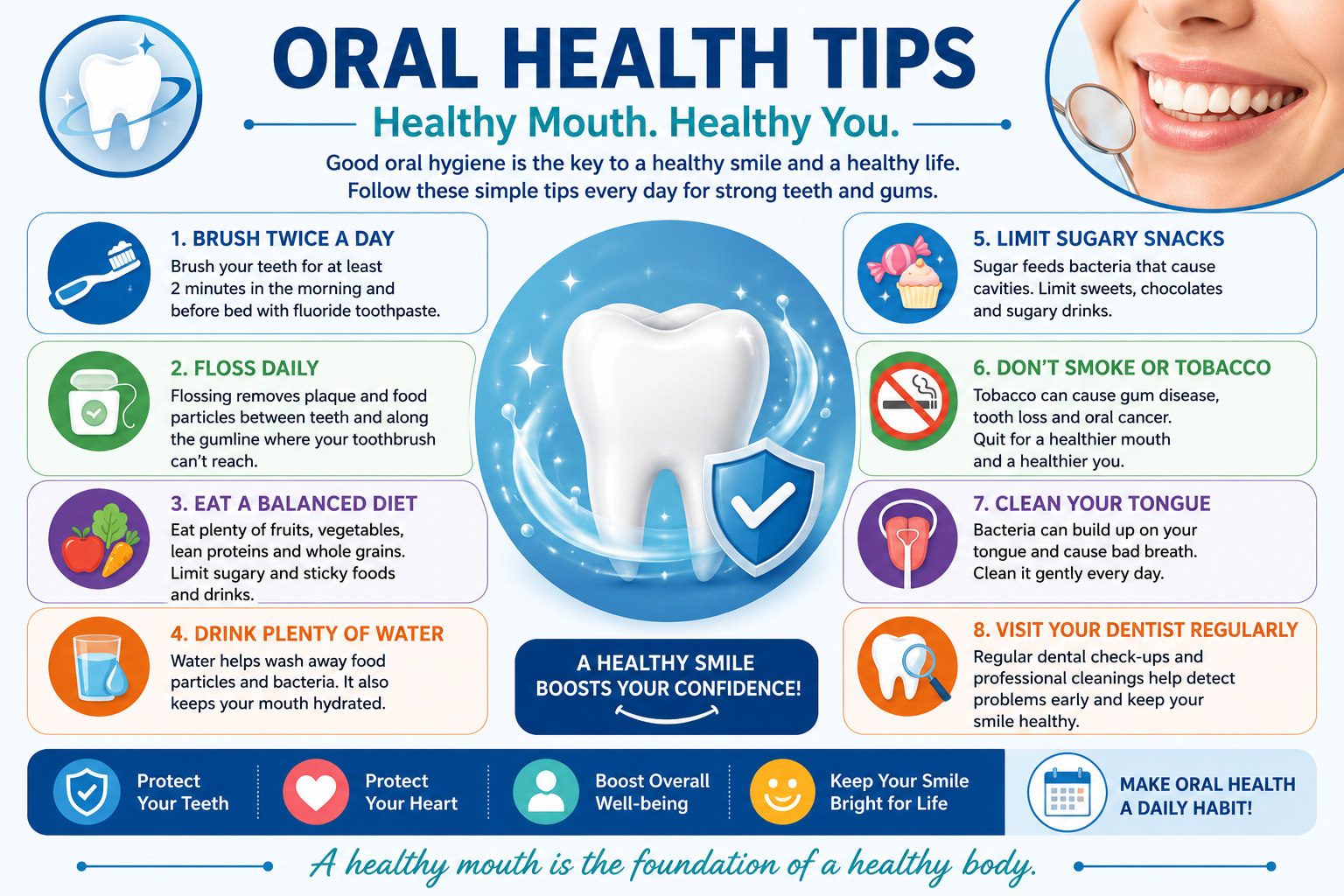
- Brush twice a day for two minutes using a soft-bristle toothbrush
- Floss daily, gently cleaning between every tooth
- Use an antiseptic or fluoride mouthwash once daily
- Maintain a balanced diet rich in vitamins C, D, and calcium
- Avoid smoking and limit sugary, acidic snacks
When to See Your Dentist
Don’t wait for pain. Schedule an appointment if you experience:
- Gum bleeding or tenderness >2 weeks
- New or persistent bad breath
- Loose teeth or bite changes
- Sensitivity when flossing between teeth
Professional Treatments & Their Benefits
1. Scaling & Root Planing (Deep Cleaning)
This non-surgical procedure cleans plaque and calculus from below the gumline and smooths the root to reduce bacterial buildup and promote reattachment of gum tissue.
2. Periodontal Maintenance Visits
For patients with history of gum disease, more frequent cleanings (every 3–4 months) help break the plaque cycle and track healing.
3. Surgical Interventions
When pockets exceed 5 mm or bone loss is significant, flap surgery may be needed to clean deep pockets; bone or tissue grafting helps regenerate lost support.
4. Laser & Novel Therapies
Some Atlanta dentists offer laser decontamination to target bacteria without scalpels, minimizing discomfort and recovery time.
Real Patient Outcomes: Success Stories
“I never realized my gums were the real problem until they started bleeding every morning,” says one Atlanta patient. “After deep cleaning and learning the right habits, my gums are healthy, and I feel confident again.”
Another shared: “I thought bad breath was just part of adulthood. Turns out it was gum disease. My dentist fixed me up, and I don’t worry anymore.”
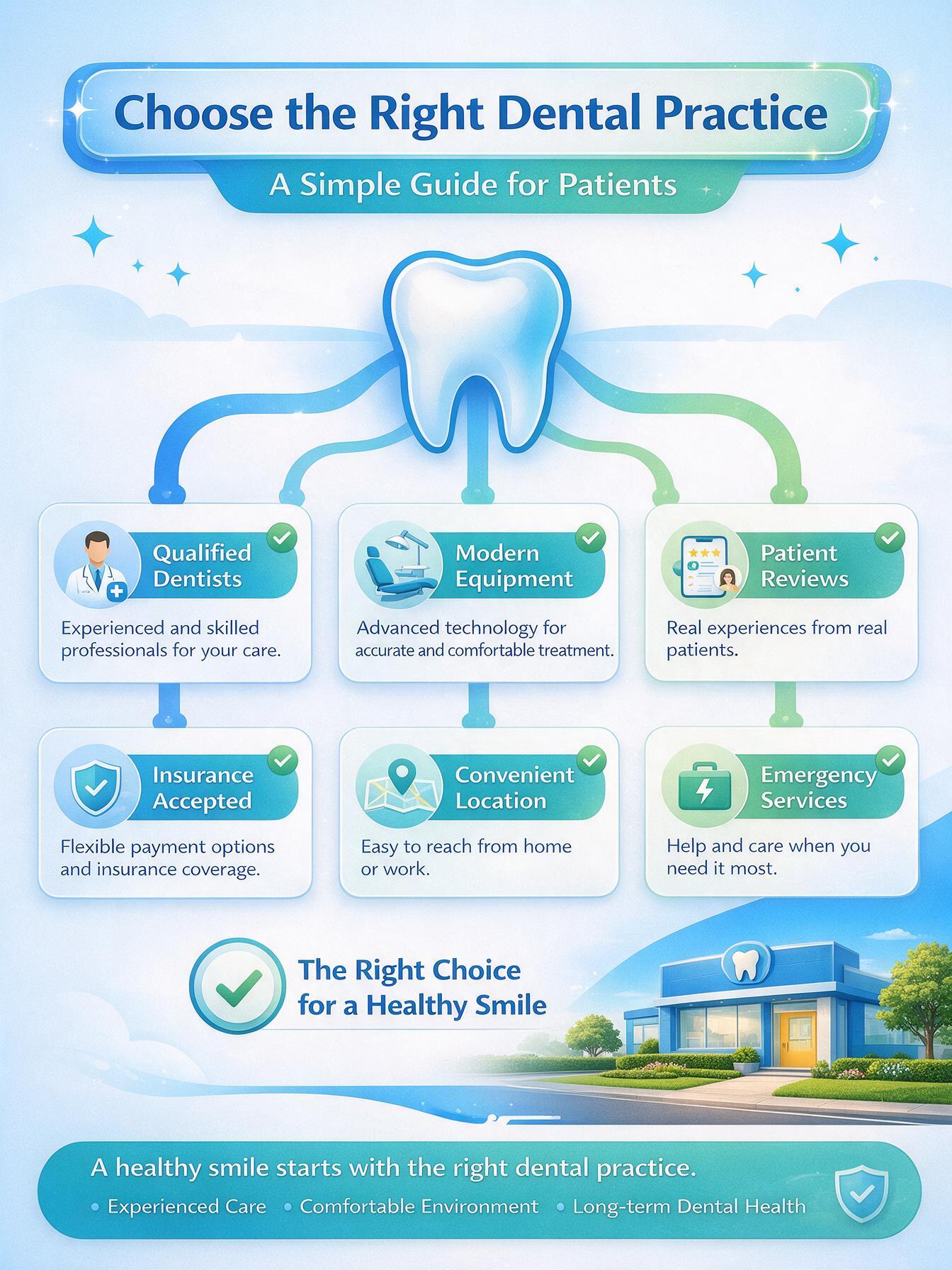
Why Atlanta Families Choose Us
- Board-certified periodontists and hygienists
- Latest digital diagnostics and evidence‑based care
- Gentle, patient-centered approach
- Insurance & financing options
- Convenient locations and flexible scheduling
Take Action: Don’t Ignore the Signs
Gum disease might whisper, but the consequences can be loud and lasting. If you’ve noticed any warning sign—even mild—schedule a periodontal check-up today. Early intervention preserves your smile, your health, and your peace of mind.